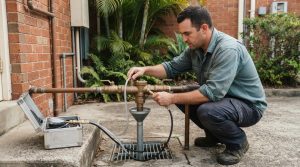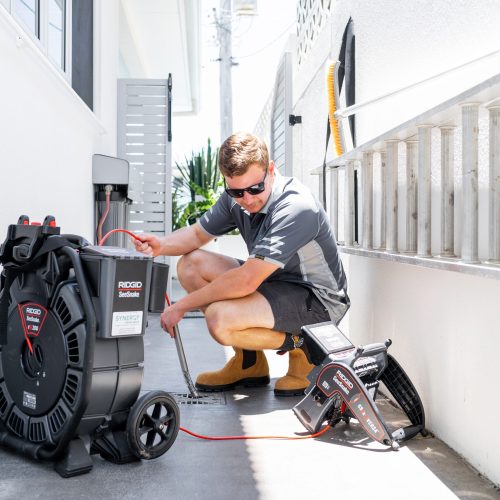
A water meter that keeps moving when every tap and water-using appliance is off can point to an underground leak. To find a water leak underground, turn off water use, note the meter reading, then check it again after 15 minutes. Damp patches, unusually green grass and the sound of escaping water can help narrow down the location.
It can be unsettling to suspect a leak in a hidden pipe, and surface clues do not always show where water is escaping. A meter check can reveal whether water is still flowing, while acoustic and other non-invasive methods can help locate the problem before any digging begins.
This guide explains how to find a water leak underground by checking your meter, looking for surface clues and understanding professional detection methods. You’ll also learn how specialists locate buried leaks and distinguish a possible pipe leak from ordinary household water use.
Key Takeaways
- Turn off taps and water-using appliances, then use the meter to see whether water is still flowing.
- Look for unexplained damp ground, muddy patches, unusually green grass and changes to paving.
- Phone apps aren’t reliable underground leak detectors; specialised acoustic equipment can help pinpoint escaping water.
- Non-invasive tools can help map pipe routes and narrow down a leak’s location before excavation.
- Keep track of where and when you notice clues so a plumber can use them to guide the investigation.
Acoustic leak detection and sound triangulation
- Start with a meter check and look for damp ground, but keep in mind that these clues rarely pinpoint a pipe break. A phone microphone or app is not sensitive enough to reliably detect water escaping underground through soil or concrete. For an accurate location, a fully licensed plumber can use specialist equipment and interpret the readings.
- Ask the specialist to listen along the suspected pipe route with a high-frequency acoustic detector. Escaping water creates vibrations that travel through the pipe and surrounding ground. The detector picks up these sounds, helping distinguish a possible leak from normal household noise. Acoustic equipment can help technicians pinpoint pinhole leaks as small as 0.004 inches.
- Sound triangulation can narrow down the likely location. The technician takes readings at several points along the suspected pipe route, then compares the sound’s strength and character. A louder, clearer signal at one point can show where to investigate more closely. Repeating readings nearby helps rule out other sounds, such as a pump, appliance or passing vehicle.
- Choose a detection method that suits the site. Acoustic listening works well when a pressurised pipe carries a distinct leak sound. On a noisy commercial or industrial site, the specialist can take readings when machinery is quieter or compare sound across different sections. For difficult surfaces, acoustic results may be supported by pipe-route mapping, thermal imaging or tracer gas, rather than relying on sound alone.
- Keep a basic maintenance record to spot changes early. For a business, note meter readings during normal operation and periods when water use should be low. Compare bills across billing periods and record unusual pressure changes, damp areas or recurring repairs. At home, check visible pipework and taps during routine cleaning, and note when new sounds or wet patches appear.
- Act on signs of ongoing water loss. An unrepaired leak can waste treated water, increase your water bill and saturate soil beneath paving or foundations. Saturated ground can soften and shift, potentially causing concrete slabs or pool surrounds to settle—damage that specialists such as Foundation Werks often raise and level once hidden plumbing faults are repaired. If the meter keeps moving when water use is off, or a new wet patch grows, arrange professional leak detection rather than repeatedly probing or digging.
How do I check my water meter for a leak?
- Find the water meter and identify its display before testing. It is usually near the property boundary, but the exact position varies. Note the reading, including decimal places or a small flow indicator. Photograph the display so you can compare the same digits later. Keep taps and appliances in their usual state until you are ready to start.
- Turn off every tap and water-using appliance, inside and outside. Include toilets, washing machines, dishwashers, irrigation and water features. Make sure nobody uses water during the test. A running toilet cistern or automatic irrigation cycle can change the reading and make it seem as though an underground water pipe is leaking.
- After a short wait, compare the water meter reading with your first note. If the meter has moved, water is still flowing somewhere on the property, which can indicate a leak. Repeat the test if an appliance or toilet may have used water accidentally. A steady reading doesn’t rule out an intermittent leak that only appears under certain conditions.
- Read a smart meter’s usage display as well as its total reading. For an integrated smart meter, water use greater than 0 litres per hour may indicate a leak when the property should be using no water. Check the displayed time period and make sure appliances, irrigation and cisterns are inactive. If usage continues, record the reading and time so the pattern is clear.
- Shut off the water supply using the property’s main stop tap or the shut-off valve at the meter. Turn the valve gently, and do not force it if it is stuck or damaged. The main stop tap can isolate the whole property, while a fixture’s local valve may stop water to only one tap or appliance. Recheck the meter after shutting off the supply.
- Before arranging repairs, work out which section of the water pipe may be involved. Responsibility depends on the pipe’s location and the local water utility’s arrangements. The meter and service layout can help distinguish the supply pipe from internal plumbing, but responsibility boundaries vary between locations. Use the relevant utility’s guidance to establish who manages the affected section.
- Keep the meter readings, test times and any ground changes together. If the meter moves while all water use is off, or a smart meter records flow above 0 litres per hour, arrange a closer assessment. Arrange a closer assessment with those details ready.
Leak location reports and repair assistance
- Gather evidence before arranging an assessment. Record when the meter moved, where damp ground appeared and whether water pressure changed. Take dated photos of affected paving, walls or garden areas. For a business, include operating hours and any water use outside normal shifts. These details help the specialist focus on the affected water system and provide a useful starting point for locating the leak.
- Ask for the suspected leak area to be explained in practical terms. A useful location report identifies the likely pipe route, the strongest detection point and the devices used to support the finding. It should clarify whether the result indicates a broad search area or a more specific point for further investigation. Keep the report with your meter readings and photos to support repair planning.
- Use the location findings to plan a suitable repair. Underground leaks may be repaired through traditional pipe replacement or pipe relining. The right approach depends on the pipe’s condition, access, leak position and surrounding ground. Replacement addresses the affected pipe section, while relining repairs it internally. Inspection findings help identify which method best suits the water system and site—an approach that established trade specialists like wellplumbed.co.uk recommend to minimise property disturbance and resolve hidden pipe issues effectively.
- Confirm the marked area before excavation begins. Compare it with the reported pipe route and note nearby paving, garden beds and structures. Do not dig based only on a surface puddle: water can travel through soil and emerge away from the damaged section. A clear location report helps direct access to the suspected area and reduce unnecessary disturbance to the property.
- Keep a record after repairs are complete. Note the repair date, affected pipe section and method used. Later, compare the meter reading with your earlier baseline when water use is off, and watch for returning dampness or unexplained flow. If the same clues recur, share the original report with the specialist. Previous readings can help distinguish a recurring fault from a separate leak.
- Before reporting a suspected leak, work out whether it is on private property or in a public space. For a leak visible on a road, footpath or other public area, contact the relevant local water utility and provide the location and any photos. For a suspected private-property leak, share your meter evidence and location notes with a plumbing specialist. This helps direct the report to the organisation responsible for the affected area.

Non-invasive leak location
- Start by mapping the underground pipe before searching the surrounding ground. Cable locators can trace pipe routes, while ground-penetrating radar (GPR) can map buried features. This gives the specialist a route to investigate and can reduce unnecessary disturbance to lawns, gardens or paved areas. It also helps distinguish the water line from other buried services.
- Use GPR to build a picture beneath the surface. The equipment sends reflected waves into the ground and reads their return patterns. Thousands of reflected waves can be combined into a cross-section beneath a yard; GPR is also described as producing a 3D map around a buried pipe. The resulting view helps identify the pipe route and nearby features before targeted leak checks.
- Compare the mapped route with the meter evidence and visible clues. For example, if the meter shows ongoing use and a damp garden strip follows the mapped water pipe, that alignment helps focus the investigation. A wet patch alone may not show where water escaped, so use the pipe map rather than assuming the wettest spot marks the break.
- Thermal imaging can help where a temperature difference may reveal escaping water. A thermal camera detects variations in surface temperature that can indicate a leak in the pipe system. The specialist can scan along the mapped route and compare warm or cool areas with the surrounding ground. This provides another clue without opening the surface, though the results need to be considered alongside other evidence.
- A specialist may consider tracer gas when other methods have not narrowed down a very small leak. The specialist introduces tracer gas into the water system and uses detection equipment to identify where it escapes. This can help locate very small underground water leaks, including those in difficult-to-access pipes. Above-ground detection guides further inspection, but does not replace a repair.
- Combine the findings before deciding where to expose the underground pipe. A GPR map can show the route, thermal imaging can highlight temperature differences, and tracer gas can help trace a small escape point. Each method answers a different question. Used together, they help plumbing specialists focus excavation on a smaller area and limit disruption to paving, garden beds and other surfaces.
- Keep the evidence together for a clear assessment. Record meter readings, water bills, dates, photographs and the position of damp ground relative to paths or garden edges. Share these details with the specialist, along with any previous inspection findings. A consistent record helps compare the clues with device readings and the mapped pipe route before repair work begins.
Puddles and muddy patches as leak clues
- Look for water that remains after rain has passed and nearby taps are off. A puddle beside a path or muddy patch in a dry garden may indicate a leak. Check whether irrigation has recently run or water has drained from a downpipe. These sources can create similar wet areas, so note their position before treating the patch as evidence of a leak.
- Compare the suspected area with the surrounding ground. A spongy lawn, unusually green strip of grass or soil that stays soft can point to water escaping below. For example, a narrow green line across an otherwise dry lawn may follow an underground water pipe. Record where the wet area starts and ends instead of relying on a single glance.
- Check walls, paving and garden edges for related changes. Unexplained damp or discoloured areas around walls, uneven brick paving and excess runoff can signal hidden water. If bricks begin to dip beside a wet patch, photograph both features together. Water can travel through soil before surfacing, so the visible puddle may be some distance from the leak.
- Track how each wet area changes over time. Photograph the same patches from the same position and note whether they grow, dry or return after nearby water use stops. A recurring puddle beside the meter route is more useful evidence than a single wet spot after rain. Keep dates and observations together for a plumbing specialist’s assessment.
- Compare surface clues with the meter test rather than judging by appearance alone. If the meter keeps moving while taps and appliances are off, and a damp patch persists, the signs together strengthen the suspicion of a water leak. If the meter stays still and the ground dries, rain or irrigation may better explain the moisture. Neither observation identifies the exact break.
- Keep people away from ground that is visibly sinking or becoming unstable, and avoid digging into an unknown pipe route. A small puddle can mark a much wider area of saturated soil beneath the surface. Share photographs, meter readings and the patch location when arranging professional leak detection. Arrange an assessment of a suspected leak if wet ground keeps returning.
Synergy Trades Group
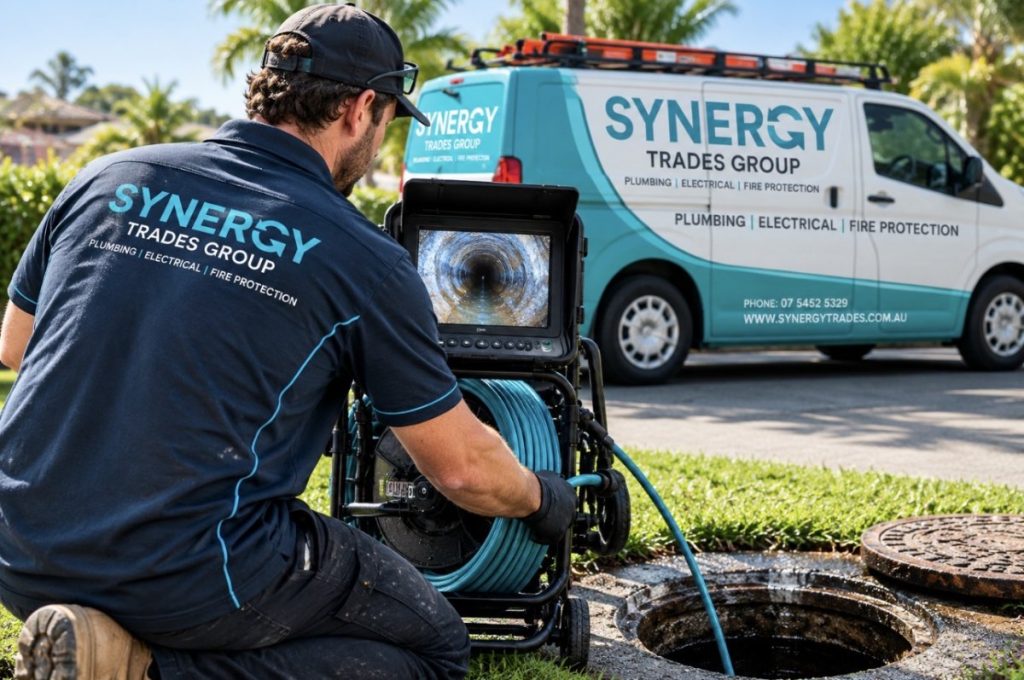
Synergy Trades Group can help when your observations point to a plumbing issue that needs professional attention. Meter readings, recurring damp patches and changes around the property give useful context when you explain what you have noticed. If the evidence suggests a hot water system fault rather than a buried pipe, the team also handles hot water system repairs.
Keep your notes and photographs together so you can describe where the ground is wet and when the meter showed flow. This makes it easier to explain the problem and discuss an appropriate next step. If you need help with a plumbing concern, contact Synergy Trades Group.
Take the next step towards a clear answer
When you’re trying to find a water leak underground, turn your observations into a focused assessment. Keep the meter results, surface changes and any sounds you have noticed together. This record can help a plumbing specialist understand the pattern and decide where further investigation should begin.
Synergy Trades Group provides plumbing support for property maintenance, including hot water system repairs, blocked drain clearing and RPZ backflow testing. If your meter or property clues suggest a hidden leak, a professional assessment can help clarify the issue and the next steps. You do not need to pinpoint the buried pipe yourself before asking for help.
Contact Synergy Trades Group to discuss your water leak concerns and take a practical next step.
Frequently Asked Questions
I have a leak, how do I find it?
First, work out whether the suspected leak is linked to a fixture, an appliance or the property’s buried supply. Note when the issue occurs and whether it affects one room or the whole property. For example, a wet area that appears after using a particular appliance suggests a different source from a leak that continues while the property is idle. Share this pattern with the plumbing specialist assessing the fault.
What equipment is used to detect underground water leaks?
Specialists use equipment suited to the pipe material, layout and surrounding surfaces. Some tools trace pipe routes, while others help identify sounds, temperature changes or escaping tracer gas. The key is how the readings fit together: results from a device are interpreted alongside site conditions and other evidence. This helps distinguish a likely leak location from an unrelated signal before repair planning begins.
Can you find leaks in reticulation pipes?
Leaks in irrigation reticulation can also be investigated. Identify the affected zone and note whether the problem appears during a scheduled watering cycle or continues outside it. A split line may overwater a particular garden bed, while a faulty sprinkler can wet the surface without a buried pipe leak. The zone layout and controller schedule help narrow down which part needs assessment.
How do I know if I have an underground water leak?
A likely leak involves more than a single unexplained wet spot. Look for a pattern that persists when rain, irrigation and household water use do not explain it. One area might repeatedly become wet, or water use might remain unusual while the property is unoccupied. Record when the signs occur and whether they change after normal water use stops. This context helps assess the cause.
How much does water leak detection cost on the Sunshine Coast?
The cost depends on the situation and is provided after a quote request. Factors include where the suspected pipe runs, access to the area, the surface above it and the detection work required. For a Sunshine Coast property, provide the site location and a brief description of the issue when requesting a quote. A general figure cannot account for these differences.
What are the signs of an underground water leak?
Pay attention to changes that recur in the same place or appear without an obvious household cause. A garden bed that stays unusually wet after irrigation is off, or paving that shifts beside a persistent damp area, deserves closer attention. Note whether the condition spreads or remains localised. A brief record of your observations can help distinguish an ongoing problem from a one-off event.
How can I check for an underground water leak using the water meter?
For a business or larger site, choose a quiet period when water use can be recorded consistently. Compare the meter reading at close of business with one taken before the premises opens, and note any overnight activity that could explain the difference. At home, make sure scheduled appliance cycles do not interrupt the test. A reading is most useful when normal water use during the test period is accounted for.
How to locate an underground water leak without digging?
A specialist can investigate the site using non-invasive checks before deciding where access is needed. The pipe route, surface materials and property layout all affect the approach. A pipe beneath a paved driveway, for example, presents different access considerations from one beneath an open lawn. Provide a site plan or describe recent landscaping if available, as changes to the property can help interpret the suspected route.