The most useful way to remove heavy metals and chemicals is to reduce exposure at its source. For lead in drinking water, use a home water filter certified to remove lead, flush cold-water pipes each morning and use cold water for cooking. Lead paint and some household items can also be potential sources of exposure, so knowing where lead may be present helps you decide what to address.
It’s understandable to feel concerned when you’re unsure what’s in your home’s water or materials. Reducing contact with lead is a practical first step, but suspected exposure or health concerns call for advice from a health professional.
This article explains how lead in drinking water, paint and household items can affect health, what to consider with tap, rainwater and bore water, and how to reduce exposure at home. You’ll also learn when water filtration may help and when the issue needs a different kind of support.
Key Takeaways
- Reduce possible lead exposure at its source: use a water filter certified to remove lead, flush cold-water pipes each morning and use cold water for cooking.
- Lead, mercury, arsenic and cadmium are metals to consider when assessing potential heavy-metal exposure in tap water.
- For household water testing, consider the water source and the contaminants you want assessed, especially if you rely on rainwater or bore water.
- Lead exposure can also come from paint and household items, so consider more than just the water supply when looking for possible sources at home.
- Cooking rice in extra water can reduce its inorganic arsenic content by 40 to 60%, according to the U.S. Food and Drug Administration.
What does “remove heavy metals and chemicals” mean for drinking water?
For household water, removing contaminants means reducing a specific substance before it reaches your glass or cooking pot. The right approach depends on the contaminant, its source and the water being treated. A filter designed for sediment, for example, shouldn’t be assumed to remove dissolved metals. Match each treatment method to the contaminant it is intended to reduce.
Lead can enter drinking water through plumbing materials, including pipes and fittings. Water leaving a treatment plant may differ from water at the kitchen tap if it picks up lead on its way through household plumbing. If lead is a concern, use a home water filter certified to remove lead. Flush cold-water pipes each morning and use cold water for drinking and cooking. Hot water can dissolve lead from plumbing more readily, so heating water after drawing it cold is a practical precaution.
“Heavy metals” describes a group of metals, not a single contaminant with one remedy. Lead, mercury, arsenic and cadmium are commonly associated with overexposure. Zinc, copper and iron can also cause poisoning when exposure is excessive. Treatment must target the metal in question. A filter’s general claim to improve taste or clarity doesn’t, by itself, show that it removes a particular metal.
Water is only one possible exposure route. Food can also contain metals, so treating tap water won’t address every source. For instance, the U.S. Food and Drug Administration says cooking rice in extra water can reduce its inorganic arsenic content by 40 to 60%. That food-preparation step concerns rice, not household tap water, and illustrates why source and substance matter.
Mercury exposure also shows why the phrase needs context. Gulf tilefish average 1.123 ppm of mercury, according to the U.S. Food and Drug Administration. That figure relates to fish, not drinking water. A water filter won’t remove mercury from food, just as changes to food choices won’t treat a contaminant coming from plumbing.
Some household treatment systems use filtration to reduce selected contaminants, while others use different processes. The key is to identify the target substance and choose a system designed for that purpose. Follow the filter’s installation and replacement instructions, because treatment depends on using the system as intended. Keep a note of the filter model and replacement schedule so you know when its consumable parts need attention.
- Identify the source: distinguish between a possible plumbing issue, a private water supply and exposure through food or household materials.
- Name the contaminant: lead, arsenic and mercury require targeted assessment and treatment, not a generic “clean water” claim.
- Reduce contact at the tap: for lead, use a filter certified to remove it, flush cold-water pipes each morning and use cold water for cooking.
Water treatment and medical care solve different problems. A filter may reduce a contaminant in water, but it cannot diagnose or treat poisoning in a person. Headaches, nausea, abdominal pain and breathing difficulties can occur with acute heavy-metal toxicity, but symptoms alone don’t identify the cause. Suspected exposure or health concerns need medical assessment, while the home’s water source and plumbing need separate attention.
Which heavy metals and chemicals are commonly found in Australian tap water?
Lead, mercury, arsenic and cadmium are metals associated with heavy-metal overexposure. You can’t assume they’re present in household water based on a suburb’s name or the appearance of a glass of water. The source, treatment and plumbing between the supply and tap all matter. A useful assessment focuses on water at the point of use rather than relying on a general list of possible contaminants.
Lead is a particular consideration in older plumbing. Water can pick up lead if it contacts lead-containing pipes, fittings or solder on its way to a tap. The concern is not only the water entering a property: household plumbing may also affect what comes out of the kitchen tap. If you’re concerned about lead, consider the plumbing materials and use a filter certified to remove lead. Clear water and a neutral taste cannot identify lead.
Arsenic may be relevant to drinking water, but its presence depends on the supply. A household connected to a treated network and a home using a private source don’t necessarily face the same conditions. Mercury and cadmium are also metals to consider when investigating possible exposure. Naming them doesn’t mean they’re present in every Australian tap or at the same level in different homes.
The word “chemicals” covers a wider range of substances than heavy metals. These substances can have different sources and properties, so a general-purpose treatment claim cannot establish that every chemical has been removed. Identify the substance of concern first, then match testing and treatment to it. Don’t assume a filter intended for one contaminant will address another.
Pay attention to where the water comes from and where it travels. A change in supply source, for example, raises a different question from old plumbing in one kitchen. A concern limited to one tap can focus attention on that fixture or its connecting pipework. If water from several taps raises the same concern, consider the supply or shared plumbing. These observations help narrow the investigation, but don’t identify a metal on their own.
- Record the source: note whether the home uses a mains supply, rainwater or bore water.
- Describe the location: record whether the concern affects one tap or several, and whether cold or hot water is involved.
- Identify the target: specify whether the concern is lead, arsenic, mercury, cadmium or another chemical before choosing a test or treatment.
- Keep the evidence together: record the tap tested, the water source and any plumbing details relevant to the result.
These distinctions prevent a common mistake: treating “heavy metals” as one substance that one filter necessarily removes. Lead, mercury, arsenic and cadmium are separate targets. Testing and treatment need to fit the particular water source and concern. If you’re ready to discuss a household water concern, request assistance with your water issue.
Dietary approaches are separate from identifying what is in tap water. A page lists cilantro, garlic, wild blueberries, lemon water, spirulina, chlorella, barley grass juice powder, Atlantic dulse, curry, green tea, tomatoes and probiotics as foods to eat for a heavy metal detox. It also recommends that a 60 kg person drink 1.8 litres of water per day to support hydration. These suggestions do not determine whether a household’s water contains a particular contaminant.
Some research has examined specific substances and outcomes. A placebo-controlled trial of 41 adults with arsenic poisoning found that spirulina extract with zinc lowered scalp-hair arsenic by 47.1% over 16 weeks. A pilot study found that modified citrus pectin increased urinary arsenic by 130% within 24 hours. A study of 171 lead-exposed workers found that blood lead fell from baseline and red-cell glutathione rose 5% to 6% over 12 weeks on NAC. These findings concern the reported study groups and measures; they do not identify what is present in a particular home’s water. Testing at the point of use remains the way to investigate a specific water concern.

How can I test household water for heavy metals and chemical contaminants in Australia?
Start by identifying the water source and the substance you want tested. A mains connection, rainwater tank and bore supply can raise different questions. “Heavy metals” is also a broad category: a test for lead won’t automatically report arsenic, mercury, cadmium or other chemicals. Tell the testing laboratory which contaminants you want assessed, rather than requesting a vague general water check.
Choose a laboratory test that names the target contaminants in its analysis. Read the scope before arranging a sample. Check that the report will identify each substance tested and present the results in a form you can interpret. A home screening kit may indicate a possible issue, but it doesn’t replace laboratory analysis when you need a specific result. Don’t assume a kit checks every metal or chemical.
Collect water from the tap or source you actually want to assess. The kitchen cold tap is relevant if that’s the water you use for drinking and cooking. A sample from a rainwater tank or bore outlet may help assess the source itself. If you’re investigating plumbing, a sample taken at the affected tap can focus attention on that point of use. Record the exact location for each sample.
Follow the laboratory’s sampling instructions carefully. The right container, collection method and handling depend on the analysis requested. Don’t substitute a household jar or rinse a supplied container unless the instructions specifically say to. Label the sample with its source and collection point, then complete any accompanying information accurately. Poor collection or unclear labelling can make results harder to interpret.
Keep useful context with the sample. Note whether the property uses mains, rainwater or bore water, which tap supplied the sample, and whether the concern involves cold or hot water. If only one tap is affected, record that. If several taps are involved, describe which ones. These details can help distinguish a possible source-water concern from an issue limited to household plumbing.
Read the report by contaminant, not as a single “safe” or “unsafe” label. Check which substances were tested, the reported results and any comparison criteria included by the laboratory. A result applies only to the sample collected and the substances analysed. It doesn’t establish that untested chemicals are absent or that every tap has the same water quality. If results identify a concern, use them to guide the next assessment and choose treatment designed for that contaminant.
Water testing is different from testing a person. Doctors may use different tests to assess metal exposure. A water result cannot diagnose poisoning, while a health test cannot identify which household tap or source contributed to exposure. Keep those questions separate.
For a plumbing concern connected with household water, request help with your water issue. Clear sample details and the laboratory report can help focus the conversation on the source and next steps.
What should renters and households using rainwater or bore water do in Australia
Rainwater tanks and bore supplies don’t pass through the same treatment process as a town water network. Their quality depends on the catchment, storage and plumbing. A roof, gutter, tank or bore can introduce different contaminants, so start by identifying the water source and where it enters the home. Then consider where drinking water is collected, such as the kitchen tap.
For lead in drinking water, use a home water filter certified to remove lead, flush cold-water pipes each morning and use cold water for cooking. These steps help reduce lead exposure at the tap. They don’t remove lead paint or address every possible contaminant in rainwater or bore water. Keep the purpose of each measure clear: a lead-targeting filter addresses lead in water, while other concerns need their own assessment.
For rainwater, consider the full collection path. Roof surfaces and gutters carry material into the tank, which stores water before it reaches household taps. Note nearby activities that could affect the catchment, such as building work or accumulated debris. Also consider the tank outlet and household plumbing. A kitchen-tap sample reflects water at the point of use, while a tank sample focuses on stored water.
Bore water comes from underground sources, so its characteristics depend on local geology and the bore itself. Don’t assume a neighbour’s results describe your supply. Record the sample location clearly and name the contaminants of concern when arranging a test. A result for one metal doesn’t establish whether other metals or chemicals are present. Treatment should match the results and the intended use of the water.
Renters can make an investigation easier by keeping a simple written record. Note whether the home uses rainwater, bore water or a mains connection. Record which tap is used for drinking, whether the concern affects one outlet or several, and any changes noticed after plumbing work or heavy rain. Share those details with the property owner or manager if access to the tank, bore equipment or fixed plumbing is needed. Keep copies of water test results and describe each sample location accurately.
- Map the source: identify the tank, bore or mains connection supplying drinking water.
- Trace the route: note the roof and gutters for rainwater, or the bore outlet and storage equipment for groundwater.
- Target the test: specify the metals or chemicals of concern rather than relying on a broad label.
- Match treatment to the result: use a filter designed for the identified contaminant and follow its instructions.
For lead, the advice to flush cold-water pipes, use cold water for cooking and install a certified filter applies at the point of use. For other concerns, trace the source first, then use a test that names the target substance. This practical approach avoids relying on taste, colour or a neighbour’s experience to identify contaminants.
For help with a household water concern, arrange assistance with your water issue.
If a water test raises concern about heavy-metal exposure, a heavy metal panel should be run without a chelating drug. Keep testing separate from treatment, and discuss results with a doctor before considering any detoxification approach.
Intensive chelation therapy using disodium or calcium EDTA should be conducted under strict doctor supervision. Heavy-metal detoxification or chelation carries risks and should be undertaken with help from a doctor familiar with the process. Chelation therapy should not be used to treat heart disease because evidence does not show that it helps, and it can cause serious side effects.
Synergy Trades Group: Hot Water System Repairs
Synergy Trades Group provides hot water system repairs when a fault affects your home’s hot water supply. A repair can address a problem with the system, but it doesn’t remove lead or other contaminants from drinking water. Keep those concerns separate: water quality needs testing and treatment suited to the contaminant, while a faulty heater needs repair.
If your system isn’t heating water properly or has developed a plumbing fault, a repair can address the equipment issue. Share what’s happening and which part of the home is affected so the problem can be understood clearly. If you suspect contamination, rely on appropriate water testing rather than assuming a system repair will change water quality.
For help with a hot water system fault, contact Synergy Trades Group or visit synergytrades.com.au.
Make your next step specific
A clear household plan starts by separating water quality concerns from plumbing faults and health questions. Keep test results and notes about the affected water source together, so future decisions are based on useful records rather than guesswork. If a result points to a contaminant, choose a response that addresses that substance and the route it takes into the home.
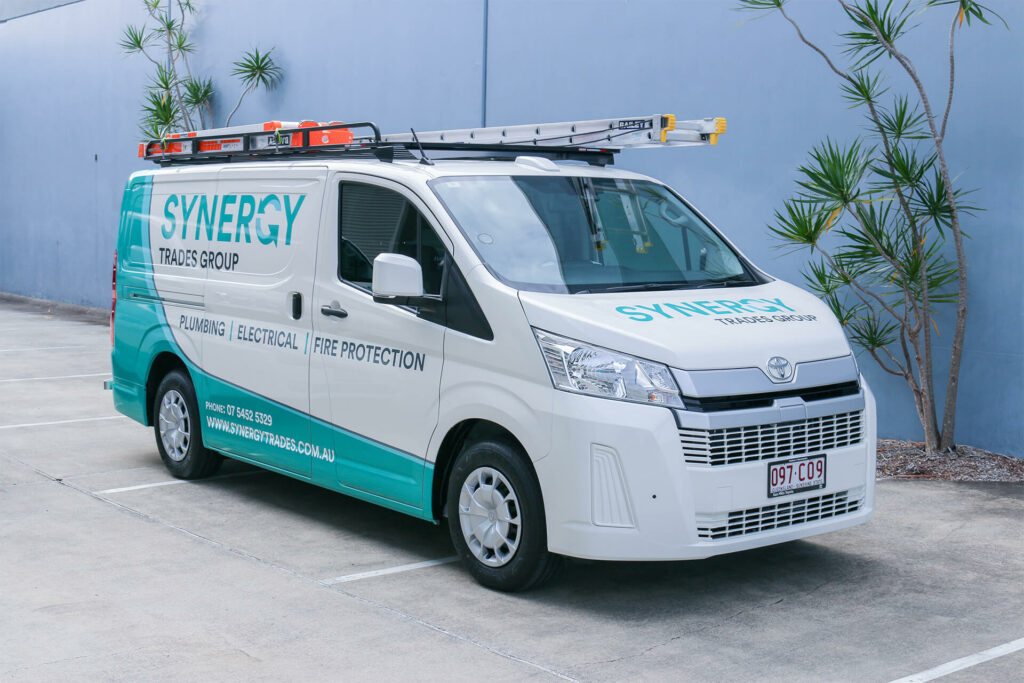
Removing heavy metals and chemicals from drinking water is a targeted process, not a single fix for every household concern. Water filtration may suit a water-quality issue, while a faulty hot water system needs different attention. Synergy Trades Group can help with water filtration and hot water system repairs, keeping treatment and equipment problems distinct.
If you’re unsure how a plumbing concern fits into your household’s next step, outline what you’ve observed and share any relevant water test results. A clear starting point makes it easier to discuss the issue calmly and practically. Contact Synergy Trades Group to talk through your plumbing needs and take the next step with confidence.
Frequently Asked Questions
Are boiling, water pitchers, or whole-house filters effective for removing contaminants?
Boiling doesn’t remove dissolved metals such as lead, and evaporation can concentrate substances left behind. Pitcher and whole-house filters vary in effectiveness according to their filter media and the contaminants they’re designed to reduce. Check the product’s stated performance for the specific substance, such as lead, rather than relying on general claims about cleaner or better-tasting water. Replace filter components as directed to maintain the system’s intended performance.