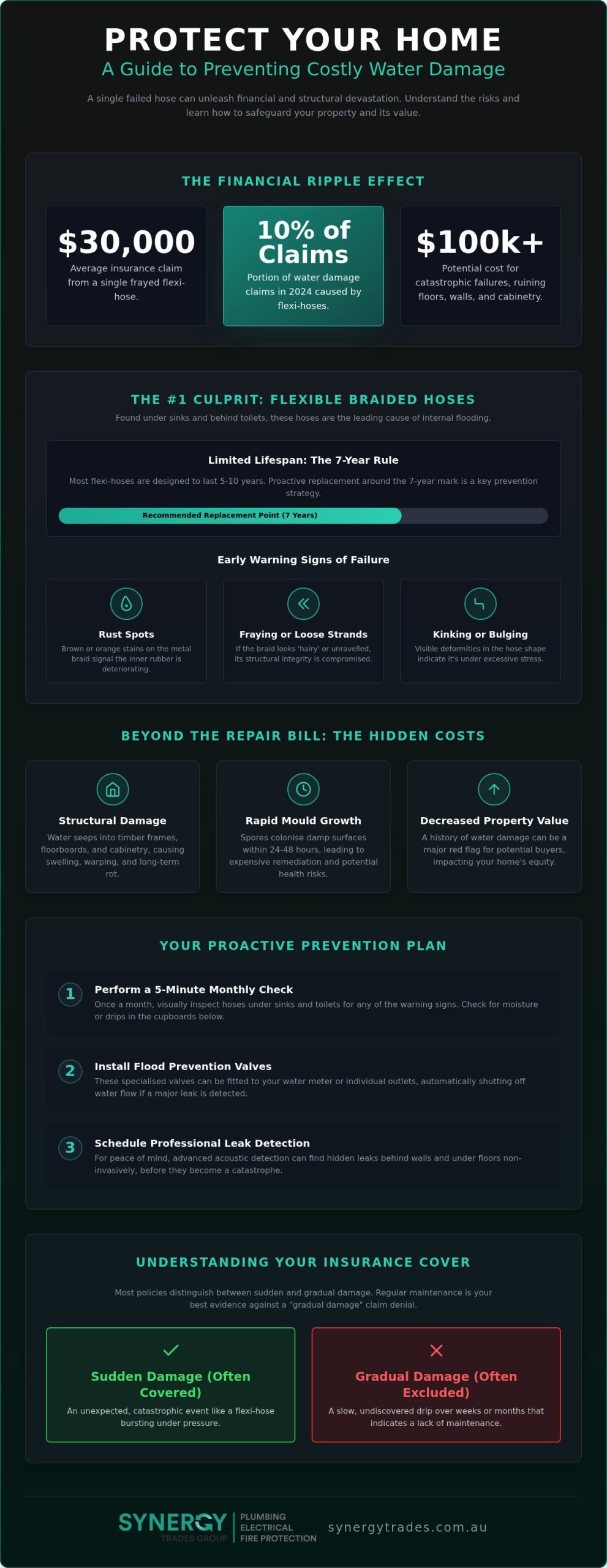
Did you know that a single frayed hose under your kitchen sink could result in a $30,000 insurance claim? According to Suncorp, flexible braided hoses were responsible for 10% of all water damage claims in 2024, with some catastrophic failures costing homeowners upwards of $100,000. It’s a stressful reality, especially when you’re worried about hidden leaks or whether your policy will actually cover the damage. Understanding how to manage a potential burst pipe, prevent a flood, and reduce insurance risk through routine care is the best way to protect your biggest asset and your hip pocket.
We believe home maintenance shouldn’t be a source of anxiety. You want to feel confident that your plumbing is sound and that you won’t be caught out by “gradual damage” exclusions. This guide teaches you how to safeguard your property from devastating water damage while keeping your insurance premiums low through professional prevention strategies. We’ll explore the essential seven-year rule for hoses and provide a clear, methodical plan to ensure your home remains dry and secure for years to come.
Key Takeaways
- Understand why flexible braided hoses are the leading cause of internal flooding and how to spot early warning signs of failure before a disaster occurs.
- Learn the difference between sudden and gradual damage to ensure you can manage a burst pipe prevent flood reduce insurance risk and maintain your policy coverage.
- Discover a simple five-minute monthly plumbing routine to identify hidden leaks and the benefits of installing specialised flood prevention valves.
- Identify how local Sunshine Coast flora and tree root intrusion can compromise your drainage systems and lead to unexpected water damage.
- See why advanced acoustic leak detection is a superior, non-invasive alternative to traditional methods for finding hidden issues behind your walls.
The Financial Ripple Effect: Why a Burst Pipe is More Than a Quick Fix
A burst pipe is rarely a slow, manageable drip; it’s a high-pressure event that can release hundreds of litres of water into your home in minutes. In the plumbing industry, we classify this as a primary home emergency because of its potential for instant devastation. While the immediate cleanup is stressful, the real financial impact often lies beneath the surface. Taking proactive steps to manage a burst pipe prevent flood reduce insurance costs by demonstrating to your provider that you are a low-risk, responsible homeowner. Water damage can compromise the structural integrity of your property if it isn’t handled with professional precision from the start.
Many homeowners focus on the cost of the plumber’s visit, but this is usually the smallest part of the bill. The true expense comes from the restoration of your living space. When you consider that the average insurance excess in Australia sits between $500 and $1,500, a simple routine inspection of your fittings is a far more economical choice. Prevention is always cheaper than a major claim and the subsequent rise in your annual premiums.
Hidden Costs of Water Damage
The secondary effects of a flood are often more destructive than the initial burst. Water is incredibly invasive. It seeps into timber frames, causing them to swell, warp, or even rot over time. If your home has floating floorboards or delicate cabinetry, even a few centimetres of standing water can ruin them beyond repair. Beyond the physical structure, there’s the looming threat of mould. Spores can begin to colonise damp surfaces within 24 to 48 hours, leading to expensive remediation bills and potential respiratory health risks for your family. Resultant damage refers to the secondary destruction caused by the initial escape of liquid, such as ruined carpets or warped cabinetry, rather than the failure of the pipe itself.
Protecting Your Property Value
A history of major water damage claims can stay with a property for years. When it comes time to sell, savvy buyers often look for “red flags” in building reports that suggest past flooding or structural dampness. This can lead to lower offers or even deter buyers entirely. Maintaining a clear, documented record of your plumbing health is a powerful way to protect your home’s equity. Investing in professional water leak detection serves as a genuine value-add for your property. It provides prospective buyers with peace of mind, proving that you’ve been a diligent custodian of the home’s essential infrastructure. This methodical approach ensures your home remains a stable investment rather than a financial liability.
Identifying the Culprits: Common Causes of Pipe Failure in Australia
Understanding why pipes fail is the first step toward protecting your home from unexpected water damage. While some issues are obvious, many plumbing failures happen silently behind walls or under cupboards. In Australia, we see specific trends that lead to emergency call-outs, ranging from modern fitting failures to environmental stressors unique to our coastal climate. A proactive approach to managing a burst pipe prevent flood reduce insurance stress by showing your insurer you’ve been diligent with maintenance. Identifying these common culprits early allows you to act before a small leak becomes a major disaster.
The Danger of Deteriorating Flexi-Hoses
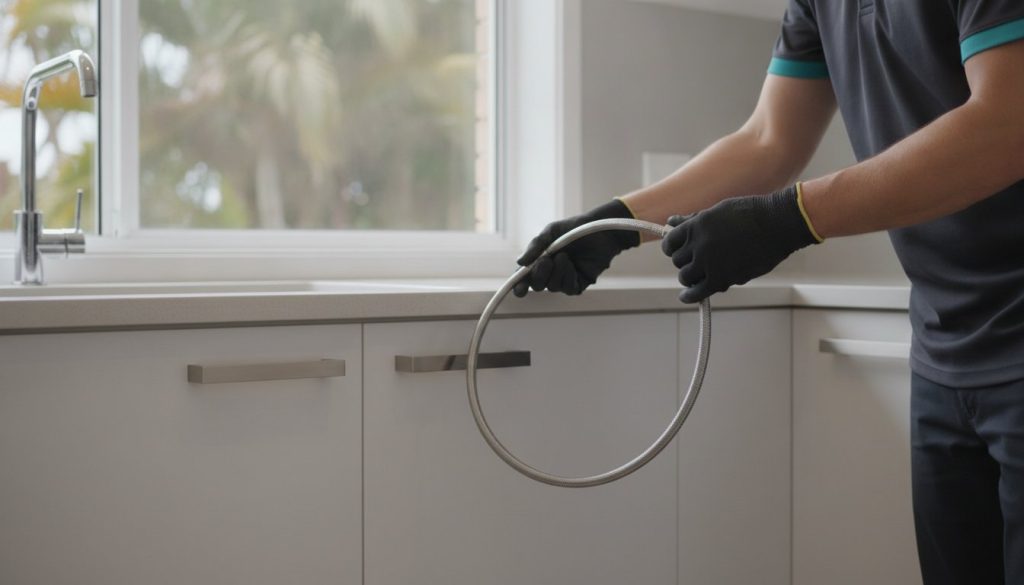
Flexible braided hoses, or “flexi-hoses,” are now the leading cause of indoor flooding in Australian homes. These stainless steel braided pipes are popular because they’re easy to install under kitchen sinks, bathroom vanities, and behind toilets. However, they aren’t designed to last forever. Most have a lifespan of between five and ten years, yet many remain in place for decades. You can often spot a hose nearing the end of its life by looking for these warning signs:
- Rust spots: Small brown or orange stains on the stainless steel braid indicate the inner rubber is failing.
- Fraying: If the metal braiding looks “hairy” or has loose strands, the structural integrity is compromised.
- Kinking or bulging: Any visible deformity in the hose shape suggests it’s under too much stress.
Sunshine Coast Environmental Factors
Living on the Sunshine Coast brings specific challenges to your plumbing infrastructure. Our beautiful coastal air is heavy with salt, which accelerates the corrosion of exposed metal fittings and taps. High humidity levels also play a role, keeping surfaces damp and encouraging the slow degradation of older copper pipes. Furthermore, our local soil profiles often consist of a mix of sand and reactive clay. As the ground moisture levels change with the seasons, the soil shifts, putting immense physical stress on underground PVC and earthenware pipes. This movement can lead to cracks that invite tree roots to enter in search of water.
Local flora is incredibly persistent; even a tiny hairline fracture in a pipe is enough for a root to enter and expand. This often leads to blocked drains, which in turn increase the internal pressure within your plumbing system. When water cannot flow freely, the back-pressure can cause the weakest point in your line to fail, resulting in a sudden burst. Regular inspections are the only way to catch these hidden shifts before they result in a flooded yard or home.
Water pressure surges are another silent killer for household plumbing. Many areas on the Coast experience high mains pressure, which can fluctuate throughout the day. Without a pressure-limiting valve, these surges constantly hammer against your valves and flexi-hoses, significantly shortening their lifespan. If you’ve noticed a “banging” sound in your walls when you turn off a tap, your system is likely under too much strain. If you’re concerned about the state of your fittings, you can request a professional plumbing health check to ensure everything is operating within safe limits.
The Insurance Angle: How Maintenance Affects Your Claim
When you sign an insurance policy, you enter into a legal contract that includes a “Duty of Care.” This means you’re responsible for taking reasonable steps to maintain your home and prevent foreseeable damage. If you want to effectively manage a burst pipe prevent flood reduce insurance complications, you must be able to show that you haven’t been negligent. Insurers distinguish between damage that is “sudden and accidental” and damage that is “gradual.” While a pipe that splits without warning is usually covered, a leak that’s been dripping behind a vanity for months is often viewed as a maintenance failure. Professional maintenance reports serve as vital evidence in these situations, providing a paper trail that proves you’ve been proactive.
Avoiding the ‘Gradual Damage’ Trap
Insurers often deny claims where the damage resulted from a slow, preventable leak. For instance, a sudden burst water main is a clear-cut emergency, but a slow-leaking hot water system that has caused rot in the floorboards over several months is a different story. “Wear and tear” is a standard exclusion in almost every Australian home policy. If an assessor finds evidence of heavy corrosion or rust that should have been addressed during a routine check, they may conclude the damage was preventable. This is why we recommend annual inspections; catching a small issue early is the only way to avoid the “gradual damage” trap that leaves so many homeowners out of pocket.
Lowering Your Risk Profile
Taking proactive measures doesn’t just protect your home; it can also improve your standing with your insurer. Some providers offer incentives or lower premiums if you’ve installed flood prevention devices or can prove the home has modern, compliant infrastructure. It’s vital to use licensed trades for all plumbing and electrical work. In Queensland, unlicensed plumbing work is illegal and will almost certainly void your entire insurance policy if it leads to a claim. DIY “fixes” might seem like a quick way to save money, but they carry a massive financial risk. Professional tradespeople provide the compliance certificates and detailed invoices you need to demonstrate that your home meets current Australian Standards. This methodical approach reduces the likelihood of a disaster and ensures you’re fully protected if the unthinkable happens.
Practical Steps to Flood-Proof Your Property
Protecting your home from water damage doesn’t require hours of technical work. A simple five-minute monthly plumbing walk-through can identify potential issues before they escalate. Start in the kitchen and move through every bathroom and laundry. Open the cupboards and run your hand along the braided hoses. If you feel any dampness or see the rust spots we discussed earlier, it’s time for a replacement. Another effective habit is monitoring your water meter. Turn off every tap in the house and check if the dial is still spinning. If it is, you likely have a silent leak that’s putting your system under constant stress.
Even if your fittings look perfect, we recommend a strict five-year replacement rule for all flexible braided hoses. While some manufacturers claim a longer lifespan, the environmental factors on the Sunshine Coast often lead to earlier degradation. Replacing these hoses on a schedule is one of the most effective ways to manage a burst pipe prevent flood reduce insurance claims. It’s a small investment that provides immense peace of mind and keeps your property’s maintenance record up to date.
FloodGuard Valves and Smart Technology
For an added layer of security, consider installing RMC FloodGuard Valves. These specialised fittings are designed to automatically shut off the water supply if they detect a sudden drop in pressure, such as when a hose fails. They are a massive protection for properties that are often left vacant, such as holiday homes or for families who travel frequently. Pairing these with smart leak sensors that send alerts to your smartphone creates a modern, comprehensive defence against internal flooding. These devices act as a silent sentry, ensuring a minor failure doesn’t turn into a catastrophic event while you’re away.
Seasonal Maintenance Checklist
Your flood-proofing strategy should extend beyond your indoor taps. Before the summer storm season hits, ensure your gutters are clear of debris. Blocked gutters cause water to back up into the eaves and roof cavity, leading to internal ceiling damage. During the cooler months, check your external taps and irrigation systems for cracks caused by temperature fluctuations. This is also the perfect time for a whole-home safety audit. Test your safety switches and smoke alarms to ensure your family is protected from every angle. If you’re unsure about the age or condition of your fittings, you can book a professional plumbing inspection today to secure your home’s health.
Professional Leak Detection: Your First Line of Defence
While the monthly checks we discussed earlier are vital for visible fittings, some leaks are simply beyond the reach of the naked eye. Relying on a “wait and see” approach is a gamble with your home’s safety that often leads to a midnight emergency. Our methodical approach to managing a burst pipe prevent flood reduce insurance risk relies on precision rather than guesswork. By identifying weak spots before they fail, we transform reactive repairs into a controlled maintenance schedule. This proactive strategy is the most effective way to ensure your plumbing remains healthy and your home stays dry.
Professional detection is about more than just finding water; it’s about understanding the unique pressures of your specific system. A professional audit provides a comprehensive overview of your property’s plumbing health, identifying everything from high mains pressure to deteriorating underground lines. This level of detail offers a sense of security that a simple visual check cannot match, especially for older homes on the Coast where infrastructure may be reaching the end of its natural life.
Advanced Detection Technology
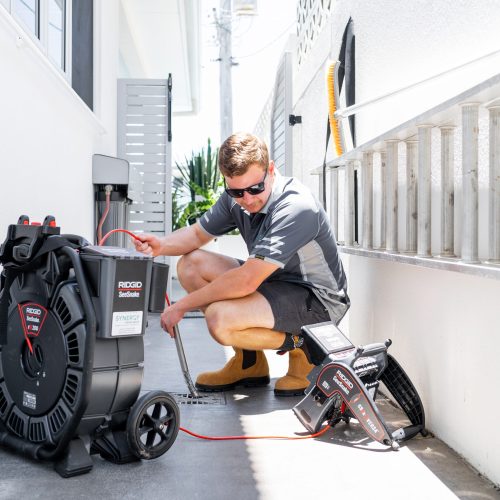
We use sophisticated tools like thermal imaging and acoustic sensors to locate moisture and sound frequencies that indicate a leak behind walls or under concrete slabs. Acoustic leak detection is particularly superior to traditional methods because it allows us to pinpoint the exact location of a fault without digging up your garden or tearing down plasterboard. This non-invasive approach saves you significant money by preventing unnecessary demolition and ensuring repairs are surgical and efficient. It is essential to hire a Sunshine Coast plumber who understands our local infrastructure and soil conditions, as these factors directly influence how leaks manifest and travel through a property.
The Synergy Trades Difference
At Synergy Trades Group, we bring over 70 years of combined industry experience to every job. As a family-owned and operated business, our service-first mentality ensures we prioritise your home’s safety and your family’s peace of mind above all else. We don’t just fix the immediate problem; we look for the root cause to prevent it from happening again. Our comprehensive plumbing and electrical maintenance packages are designed to provide a holistic safety net for your property, covering everything from your hot water system to your safety switches. This orderly, transparent approach has made us a dependable pillar of the local community. Don’t wait for a disaster to strike. Book a professional leak detection audit with Synergy Trades today and take the first step toward a truly flood-proof home.
Protecting Your Sunshine Coast Sanctuary
Maintaining a dry and secure home is about staying ahead of small issues before they become major emergencies. We’ve explored how the simple act of replacing flexi-hoses every five years and understanding your insurance policy’s “gradual damage” clauses can save you thousands in the long run. By taking a methodical approach to maintenance, you ensure that your property remains a safe haven for your family. Catching a hidden drip today is far easier than managing a disaster tomorrow.
As family-owned Sunshine Coast experts with over 70 years of combined industry experience, we understand the specific environmental pressures our local homes face. Our team specialises in advanced, non-invasive water leak detection to find hidden faults without disrupting your daily life. Taking these steps to manage a burst pipe prevent flood reduce insurance stress is a smart financial move that protects your property’s equity. Don’t leave your home’s safety to chance.
Secure your home against floods with Synergy Trades Group and enjoy the peace of mind that comes with professional care. We’re ready to help you keep your plumbing in peak condition.
Frequently Asked Questions
Will my insurance cover a burst pipe if I wasn’t home?
Most Australian policies cover sudden events like a burst pipe even if you’re out for the day. However, if the property is vacant for more than 60 days, coverage might be restricted. It’s vital to have a neighbour check the property or install smart sensors. Maintaining your fittings helps you manage a burst pipe prevent flood reduce insurance complications because it shows you’ve taken reasonable steps to protect the home.
How do I know if a pipe has burst behind a wall?
You might notice discoloured patches on the plasterboard, peeling wallpaper, or a persistent musty odour. Another sign is a “hissing” or “dripping” sound when no taps are running. If you suspect a hidden issue, we recommend professional water leak detection. Our team uses acoustic sensors and thermal imaging to pinpoint the exact location of the fault, saving you from the stress of unnecessary wall demolition or guesswork.
What is an RMC FloodGuard Valve and do I need one?
An RMC FloodGuard Valve is a specialised safety device installed between the wall tap and your flexi-hose. It’s designed to automatically cut off the water supply if it detects a sudden surge caused by a hose failure. Installing these valves is a brilliant way to manage a burst pipe prevent flood reduce insurance risks. They provide a physical fail-safe for your property, especially in high-pressure areas across the Sunshine Coast.
How often should I have a plumber check my home for leaks?
We recommend a comprehensive plumbing health check at least once every twelve months. For Sunshine Coast homes, the salt air and humidity can accelerate the corrosion of exposed fittings, making regular audits even more important. An annual visit allows us to check your water pressure, inspect every flexi-hose, and test your safety switches. This orderly approach keeps your home compliant and ensures your plumbing infrastructure remains reliable year-round.
Can a blocked drain actually cause a pipe to burst?
Yes, a severe blockage can create significant back-pressure within your plumbing system. When water has nowhere to go, the pressure builds up at the weakest point, which is often a deteriorating flexi-hose or an old joint. If you notice your sinks are draining slowly, it’s best to organise professional blocked drain clearing. Addressing these issues early prevents the internal stress that leads to sudden and expensive pipe failures.
What should I do immediately if a pipe bursts in my house?
Your first priority is to locate and turn off the main water isolation valve, usually found near your front boundary. Once the water is off, open your lowest external taps to drain any remaining pressure from the lines. If the water is near electrical outlets or appliances, turn off the power at the switchboard. After the site is safe, document the damage with photos and contact a licensed plumber to begin repairs.
Does insurance cover the cost of the plumber to fix the pipe or just the damage?
Standard home insurance typically covers “resultant damage,” which includes repairs to your floors, walls, and cabinetry caused by the water. However, the actual repair of the pipe or the replacement of a failed flexi-hose is usually considered a maintenance cost and isn’t covered. This is why routine inspections are so important. You want to identify a weak point before it fails and leaves you with a large restoration bill.
Why is my water bill suddenly so high when I haven’t changed my habits?
An unexplained spike in your water bill is almost always a sign of a “silent” leak. This could be a leaking toilet cistern, a dripping external tap, or a split pipe underground. Even a tiny pinhole leak can waste thousands of litres over a billing cycle. We suggest checking your water meter before bed and again in the morning; if the numbers have changed while no one used water, it’s time for a professional audit.