A tidy switchboard doesn’t show whether every power point, fixed appliance and smoke alarm has been properly assessed. A professional home electrical safety check can help identify visible damage, test relevant electrical components and show where follow-up work may be needed.
It’s reasonable to want a clear idea of what an electrician will inspect, how long the visit may take and what paperwork you’ll receive. This guide explains what a home electrical safety check can cover, how certificates differ from inspection reports, and what can affect the inspection scope on the Sunshine Coast.
You’ll also learn how smoke alarms and fixed appliances may be assessed, and what information can help the inspection run smoothly. The scope depends on the property and type of check, so understanding what’s included makes it easier to interpret the findings and decide what to do next.
Key Takeaways
- The inspection can cover switchboards, RCDs, wiring and earthing, with the scope shaped by the property and the type of check.
- Inspection costs vary with property size, age and the work involved, so understanding the scope helps make a quote easier to assess.
- Electrical safety reports and compliance certificates serve different purposes; the paperwork depends on whether electrical work is carried out.
- Checks can include fixed appliances and smoke alarms, with testing and assessment guided by the equipment and applicable requirements.
- If a safety switch needs attention, professional testing or installation can help address the issue and clarify the next steps.
How much does an electrical safety inspection cost in Sydney?
For a property on the Sunshine Coast, inspection costs depend on the property and the work included. Capital city pricing doesn’t establish a local cost for our region. A switchboard test takes 20-40 minutes, and extra time may be needed if testing identifies electrical faults.
Switchboard inspection and testing
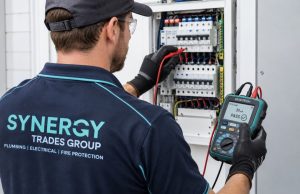
A switchboard inspection combines a visual assessment with testing of relevant components. The electrician looks for visible damage, deterioration, unsuitable connections and signs of overheating, then assesses circuits, wiring, earthing and safety switches. A switchboard test takes 20-40 minutes, with extra time possible if electrical faults are identified.
Warning signs that warrant prompt attention include a burning smell, scorch marks, buzzing from the switchboard or circuit breakers that keep tripping. These symptoms can point to faults that need assessment rather than repeated resetting. During testing, power may be switched off for 5-10 minutes while circuits are checked.
Switchboard upgrades and safety switches
A safety switch, also called an RCD, responds to current leakage and should cut off electricity in a fraction of a second. It can often be identified by a test button and a label such as 30mA. A circuit breaker has a different role: it protects a circuit from overloads and short circuits, while a safety switch helps reduce electric shock risk.
Homes built during or after 2000 will usually have safety switches installed, but their presence doesn’t establish that every circuit is protected. One RCD protecting all circuits is a common issue; having 2+ RCDs is recommended for safety. An electrician can identify gaps and explain whether switchboard upgrades or additional safety switches are appropriate.
Pre-purchase and routine inspections
A pre-purchase electrical inspection gives a buyer information about a property’s electrical condition before purchase. A routine home electrical safety check assesses the existing installation and identifies issues that may need attention. Buyers can use the findings to understand potential electrical concerns before deciding whether to proceed.
For either inspection, the electrician assesses the switchboard and relevant circuits, then explains any defects and their implications. The right scope depends on the property’s age and condition, as well as the buyer’s concerns. A switchboard-only test is narrower than an inspection that includes wiring and earthing, so clarify which components are covered.
For the Caloundra context, see electrical services in Caloundra provided by Synergy Trades Group.
Inspection of appliances, installations and fittings
Australia doesn’t have one inspection interval for every home; rental requirements vary by state. In Victoria, rental providers must arrange electrical safety checks every 2 years.
DIY checks between professional inspections
Between professional visits, look out for damaged power points, loose faceplates, discolouration or unusual heat. Don’t remove covers or touch exposed wiring. These signs need attention from a licensed electrician, especially if you also notice a burning smell or repeated power interruptions.
Homeowners can use the test button to check safety switches and reset the switch if it trips. Inspect outlets quarterly for cracks, discolouration or loose faceplates. These simple observations don’t replace electrical testing, but they can help identify changes worth reporting before the next inspection.
Inspection reports and compliance certificates
A professional inspection can include a visual assessment and testing of applicable electrical installations, fittings and appliances. In Victorian rental properties, the check is intended to identify damage, deterioration or defects that may affect safety. The report covers visual inspection and testing of applicable parts as far as practicable.
In NSW, electrical installation work must be carried out by a licensed electrician, who provides a uniquely numbered Certificate of Compliance Electrical Work. An inspection report is a different document. In South Australia, a Certificate of Compliance is lodged for electrical work that has been carried out, while an inspection report alone isn’t a compliance certificate.
How often to arrange a check
For Victorian rentals, the owner must arrange an electrical safety check every 2 years, performed by a licensed or registered electrician. If the property hasn’t been checked within that period, the owner must arrange one as soon as practicable after a renter moves in. Renters can request the date of the most recent check.
South Australian rental laws don’t legally require electrical inspections, but the advice is to arrange them every 5 years. Elsewhere, the appropriate timing depends on the property’s condition and applicable tenancy requirements. A professional can assess appliances, installations and fittings, rather than relying on a visual walk-through alone.
Checks of each landlord-supplied appliance take approximately 10-15 minutes. Testing can draw on AS/NZS 3760, which applies to in-service inspection and testing of electrical equipment. Victorian tenancy checks use the Wiring Rules, AS/NZS 3000, to assess electrical compliance; the visual inspection follows sections 3 and 4 of AS/NZS 3019:2007, with electrical testing under section 4.
If you need a professional assessment of appliances or fittings, book an electrical inspection.
What to Expect During an Electrical Safety Check?
In Australia, a home electrical safety check is a professional assessment of an installation, using visual inspection and electrical testing to identify damage, deterioration and faults. The electrician explains any findings and whether repair or further assessment is needed.
Earth continuity and loop impedance
Earth continuity testing checks whether protective earth connections form a continuous path through relevant parts of an installation. An electrician may test connections at a power point or switchboard to identify a break, loose connection or other fault that could affect protection.
Earth loop impedance testing assesses the electrical path followed by fault current. The result helps the electrician determine whether protective devices can respond effectively to a fault. Together, these tests provide information a visual inspection alone cannot, including whether an earth connection is working as intended.
For example, damage to an earth conductor may not be visible from outside a fitting. Testing can help locate the problem, and the electrician can record the affected installation and explain any required repair.
RCD and earthing tests
An RCD, also known as a safety switch, is tested to assess how it responds to electrical leakage. During testing, the device must trip within 0.3 seconds. The electrician can also check whether the switch operates correctly and whether the test results indicate a fault.
Testing may cover relevant circuits and accessible points around the property. The electrician can explain what was tested and whether a result points to a problem with the RCD, wiring or connections. If testing identifies an issue, the findings guide the next step rather than relying on the switch’s appearance alone.
Test results need to be considered alongside the rest of the installation. A working RCD doesn’t establish that earthing, wiring and other protective measures are sound. A comprehensive electrical safety assessment considers these elements together, so a fault isn’t overlooked just because one device appears to work.
Electrical earthing
Electrical earthing provides a path for fault current through protective conductors and connections, helping protective devices respond to certain faults. During an inspection, the electrician assesses relevant earthing connections and checks for damage, loose terminations or signs that the protective path may be compromised.
Testing complements that assessment. Earth continuity checks the connection path, while loop impedance testing provides information about the fault-current path. If either result is unsatisfactory, the electrician can identify the affected installation and explain the repair needed before normal use continues.
The findings should distinguish between components that were tested and areas that were inaccessible or outside the inspection scope. This helps homeowners understand what the report covers and what follow-up work may be needed. It also gives a clearer picture of the property’s electrical condition than a visual check alone.

Licensed electricians and compliance certificates
A safety inspection report and a compliance certificate serve different purposes. The distinction matters when an inspection identifies work that needs to be completed.
Licensed electrician involvement
In NSW, electrical installation work must be carried out by a licensed electrician, who provides a uniquely numbered Certificate of Compliance Electrical Work. The certificate documents completed electrical work, while an inspection report records the inspection findings.
For a residential check, the report states that a licensed electrician carried out the inspection. The written record can describe the electrical installations assessed, the testing completed and any defects identified. It can also help distinguish an observed issue from work that has since been repaired.
Digital reports and compliance records
A digital report makes inspection findings straightforward to store with property records. Useful details include the inspection date, areas assessed, tests completed and any faults or damaged components identified. If the report notes insulation or wiring condition, its wording should make clear what was inspected and what needs attention.
The written report for a standard electrical safety inspection is delivered within one business day. Keep it with other property documents, such as appliance manuals and records of completed electrical work. This gives a future electrician or property manager a clearer history when reviewing earlier findings.
Digital records don’t replace a compliance certificate when electrical work has been carried out. In NSW, the uniquely numbered certificate documents completed electrical installation work. An inspection report can describe results, including items that may need repair, but doesn’t certify that the work has been done.
Service reports and compliance records
Read the report by separating three details: what the electrician inspected, what testing was completed, and what actions the findings recommend. A note about a damaged fitting, for example, is different from a record confirming that repair work was completed. Clear wording helps owners and tenants understand the property’s status.
In NSW, a tenant must give the property owner or agent a copy of the Certificate of Compliance Electrical Work. This requirement applies to the certificate for electrical installation work, not simply an inspection report. Keeping both documents together helps show what was assessed and what work was subsequently completed.
Keep the report with certificates and records for electrical appliances or repairs. If a later inspection identifies the same fitting or circuit, the earlier report provides useful context. For rental properties, dated records also help owners respond to questions about previous checks and completed work.
Smoke alarm and fixed appliance checks
A smoke alarm and fixed appliance assessment considers whether devices are installed and operating as intended. An electrical safety check can cover relevant devices and fittings in a rental property. The electrician tests applicable items and records defects that may create danger or require follow-up.
For Victorian rental properties, smoke alarms must be correctly installed, working and tested according to the manufacturer’s instructions. They must be tested at least once every 12 months. That interval gives landlords a clear recordkeeping point, while a check can identify an alarm that fails its test or needs attention.
For owner-occupiers, annual smoke alarm testing is recommended by pressing the test button. Most smoke alarms need replacing every 10 years. These steps help reveal a unit that no longer responds or has reached the end of its expected service period. A professional can assess installation and operation, and explain whether testing or replacement is needed.
NSW law requires interconnected smoke alarms in residential rental properties. Interconnection means that when one alarm activates, the others do too, helping occupants hear an alert throughout the home. Landlords should include alarm operation and the condition of each unit in the property’s safety records, rather than assume that one working alarm means every device is functioning.
Fixed appliances supplied by a landlord can also be inspected and tested. Each appliance check takes approximately 10-15 minutes. Testing can assess the appliance’s condition and electrical safety, while the report records the item and any issue identified. For example, a damaged cord or casing is different from a result showing an internal electrical fault, so clear findings help owners understand what needs attention.
Electrical faults and appliances cause 40% of house fires in NSW each year. An electrician can also assess isolator switches associated with fixed equipment and note whether they need attention. The check helps identify whether the appliance, its connections or its isolation arrangement needs further attention.
For a rental inspection, the owner or landlord benefits from a record of which alarms and appliances were tested, the test outcome and any recommended follow-up. That documentation can support practical decisions and provide greater peace of mind for owners and tenants. If smoke alarms need professional assessment, book smoke alarm testing.
Synergy Trades Group: Safety Switch Installation
Synergy Trades Group installs safety switches when an inspection identifies a need for additional protection. If the report shows that a circuit lacks a safety switch, installation can address that specific gap. The right next step depends on the electrician’s findings and the switchboard setup.
After reviewing the inspection results, property owners can arrange installation to suit the identified work. This keeps the response focused on the electrical issue rather than replacing components without a clear reason. For help with a safety switch installation, contact Synergy Trades Group.
Turn inspection findings into a practical plan
A home electrical safety check is most useful when its findings lead to clear next steps. Use the report to distinguish work needing prompt attention from improvements you can plan, then keep the records with your property documents. This provides a useful reference for future maintenance and helps you base decisions on your home’s condition.
If an electrician identifies a need for a safety switch, Synergy Trades Group can install one. The team also handles other property maintenance needs, including hot water system repairs, blocked drain clearing and RPZ backflow testing. Each service addresses a different issue, so choose the next step that matches the problem identified.
Share the inspection findings when you arrange follow-up work. A clear description of the issue helps keep the conversation focused on the property’s needs. Arrange the next step with Synergy Trades Group and move forward with a practical plan for your home.
Frequently Asked Questions
Are there any hidden costs?
Additional work may affect the final amount if an inspection finds a fault that needs investigation or repair. For example, testing may identify an issue beyond the original inspection scope. Before work begins, make sure the quote sets out what the inspection includes and how any follow-up work will be discussed. The scope can depend on the property’s size and age, the tests required and the findings.
Is a pre-purchase electrical inspection legally required in NSW?
No. A pre-purchase electrical inspection isn’t legally required in NSW. Buyers may still arrange one to understand a home’s electrical condition before purchase, particularly if they’re concerned about wiring, a switchboard or older fittings. The assessment provides information to consider alongside other property checks, but can’t guarantee that every concealed fault will be found.
What Happens After the Inspection?
The electrician explains the findings and identifies any faults or damage that need attention. Use the report to plan follow-up, distinguishing issues that need prompt action from other maintenance. If electrical work is carried out, keep the relevant compliance paperwork with the inspection record. For a rental property, the findings can also help the owner plan maintenance and respond to tenant concerns.
What are the risks of unsafe electrical services in the home?
Unsafe wiring, damaged fittings or faulty appliances can expose occupants to electric shock and increase fire risk. A loose connection, for instance, may generate heat without an obvious visible warning. Tenants, children and visitors may encounter these hazards without knowing they’re there. A professional assessment can identify defects and explain which issues need repair or further attention.
What do you receive once the test has been completed?
You receive an inspection report recording the assessment and its findings. It shows what was inspected, what issues were identified and what follow-up may be appropriate. If electrical installation work is completed in NSW, the licensed electrician must provide a uniquely numbered Certificate of Compliance Electrical Work. This certificate records the work carried out; it isn’t another name for an inspection report.
What does an electrician inspect during a home electrical safety check?
An electrician assesses relevant electrical installations and fittings. Depending on the agreed scope, this may include the switchboard, circuits, wiring, earthing and safety switches, as well as applicable fixed appliances and smoke alarms. Visual inspection and testing reveal different information. A fitting may appear intact, for example, while testing identifies an electrical fault that needs attention.
How much does a home electrical safety inspection cost in Australia?
For a home electrical safety check on the Sunshine Coast, the scope and property affect the inspection. Factors include the home’s size and age, which components need testing and whether the findings require additional investigation. A useful quote clearly identifies the checks included and how follow-up work will be handled, so you know what the inspection covers before deciding on the next step.
Are electrical safety checks required by law for homeowners, landlords, or rental properties in Australia?
Requirements vary between states and property situations, so there isn’t one rule for every Australian home. Victorian rental providers must arrange an electrical safety check every 2 years. South Australian rental laws don’t legally require these inspections, though they’re recommended every 5 years. In NSW, a pre-purchase electrical inspection isn’t legally required. These examples don’t cover every state or tenancy circumstance.