Cleaner water throughout your Sunshine Coast home can start at a single point. Mains water filtration treats water as it enters the property, helping reduce chlorine and sediment before it reaches the household taps and fixtures connected to the system.
It’s understandable to want water that tastes and smells better without fitting a separate filter at every outlet. A whole-house system can filter water throughout the home, but the right setup depends on your supply, household use, available space and the contaminants you want to target.
This guide explains the practical benefits of whole-house filtration, how system configurations differ and what to consider when choosing a filter. You’ll also learn why a point-of-use filter may suit drinking water at a particular tap, and why cartridge maintenance matters: cartridges in mains water systems are typically replaced every 6-12 months. With a clear understanding of these choices, it’s easier to work out which approach fits your home and what to expect from ongoing upkeep.
Key Takeaways
- A whole-house filter treats water at the point it enters your home, helping reduce chlorine and sediment across connected taps and fixtures.
- Choose a system to suit your household’s water use, incoming water conditions, bathroom count and available installation space.
- Whole-house filters commonly use 5 to 20 micron filtration, while a separate under-sink system can target finer contaminants at a drinking-water tap.
- In Australia, whole-house filter installation should be carried out by a licensed plumber in accordance with AS/NZS 3500 and applicable state plumbing regulations.
- Plan for cartridge maintenance: mains water filter cartridges are typically replaced every 6-12 months.
What are the benefits of having a whole house water filtration system?
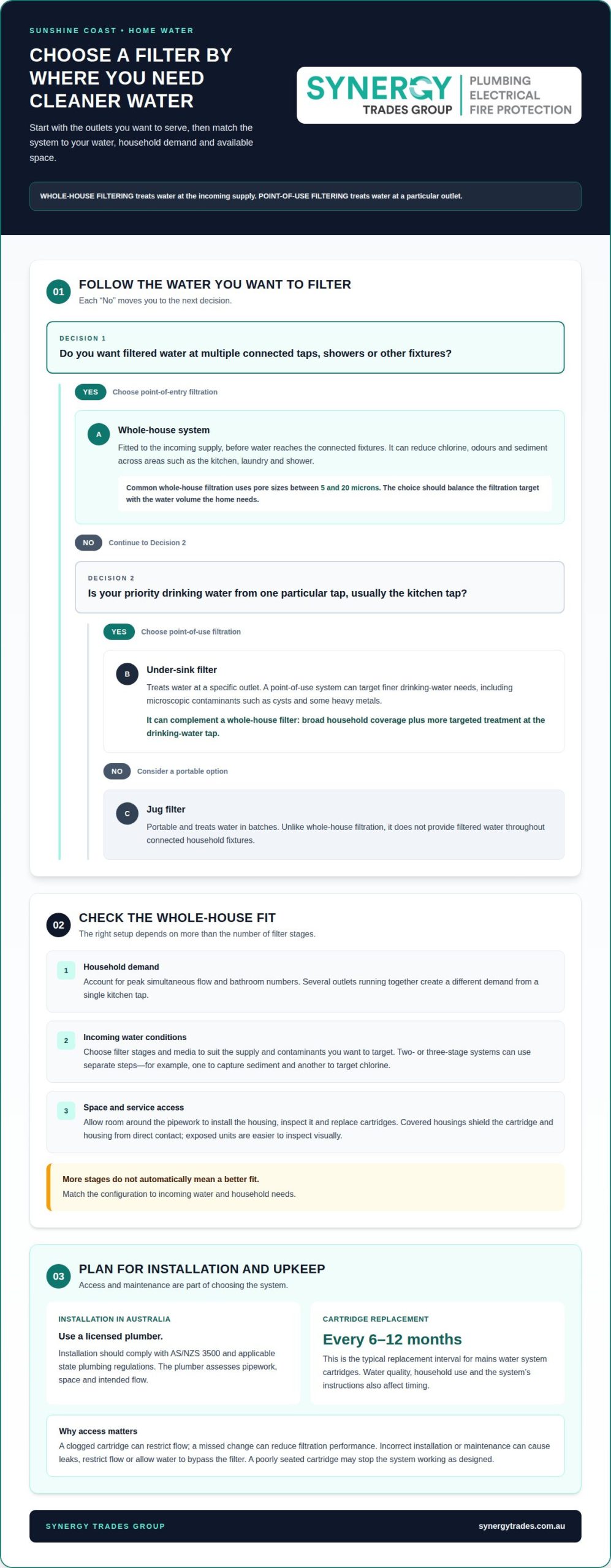
A whole-house water filter treats water as it enters your home, rather than filtering it at just one tap. It can reduce chlorine, odours and sediment in water supplied to connected fixtures, including the kitchen, laundry and shower. You also have one central system to maintain instead of separate jug filters in different rooms.
Different setups suit different needs. A jug filter is portable and treats water in batches, while an under-sink filter serves a particular tap. Whole-house filtration treats water throughout the home, but may not target every contaminant as effectively as a dedicated drinking-water filter. If you want finer filtration at the kitchen tap, a point-of-use system can complement a whole-house filter.
Installation affects how well the system fits into the incoming supply. In Australia, whole-house water filters must be installed by a licensed plumber in accordance with AS/NZS 3500 and applicable state plumbing regulations. The plumber assesses the pipework, installation space and intended flow before connecting the filter. Correct positioning lets the system treat water before it reaches the fixtures it serves.
Filter housing design matters too. A covered or enclosed filter can shield the cartridge and housing from direct contact, while an exposed unit is easier to inspect visually. Either way, leave enough clearance to service the housing and replace the cartridge. A cramped position can make routine access difficult, especially when the unit is close to other pipework.
Two- and three-stage systems pass water through multiple filters. One stage, for example, may capture sediment before another targets chlorine. A third stage adds another treatment step, depending on the system’s media. More stages don’t automatically mean a better fit: the configuration should suit your incoming water and household needs.
Maintenance keeps the filter working as intended. Mains water system cartridges are typically replaced every 6-12 months. The right timing also depends on water quality and household use, so the system’s instructions matter. A clogged cartridge can restrict flow, while a missed change can reduce filtration performance. Include cartridge access and replacement in the decision, not just the initial installation.
The cost to buy and install a mains water filter depends on the system configuration, installation requirements and cartridge type, with pricing provided after a quote request. These factors shape both the upfront work and ongoing maintenance.
Incorrect installation or maintenance can cause leaks, restrict water flow or allow water to bypass the filter. As experienced plumbing specialists like Dobrý vodár often point out, a poorly seated cartridge may also prevent the system from working as designed, so correct installation and timely replacement matter.
Whole-house mains water filtration
A whole-house system treats incoming water before it reaches connected household fixtures. Its size and filter stages should suit the property’s water use and incoming water conditions.
Point-of-entry filtration
Point-of-entry filtration means placing a filter on the incoming supply, before water travels to the fixtures it serves. This arrangement can provide filtered water at multiple taps, showers and other connected outlets, rather than treating water at one location. The filter’s position matters: it needs to treat the supply before the branch pipes leading to those fixtures.
System sizing should account for peak simultaneous flow, bathroom numbers and incoming water conditions. For example, several outlets running together create a different demand from a single kitchen tap. Whole-house filters typically use pore sizes between 5 and 20 microns to accommodate household flow rates. The right choice balances the filtration target with the water volume the home needs.
Space around the incoming pipework is another practical consideration. The filter housing needs a suitable position for installation and cartridge access. Considering the supply route, household demand and servicing space together helps determine an appropriate filtration system.
Undersink and whole-house comparison
An undersink filter treats water at a specific outlet, usually the kitchen tap. A whole-house filter treats water at the entry point, covering connected fixtures. This distinction helps you decide whether you want filtered water throughout the home or more targeted treatment for drinking water.
A point-of-use filter can provide more targeted filtration for drinking water, including treatment for microscopic contaminants such as cysts and some heavy metals. It can complement a whole-house system rather than replace its broader coverage. The two approaches serve different locations and filtration needs.
Compare the outlets you want to serve, the contaminants you want to target and your household’s water use. A kitchen-only need may suit an undersink unit; a preference for treating water at connected showers and taps points towards entry-point filtration. Using both can separate general household filtration from more specific drinking-water treatment.
What whole-house filtration means
A whole-house filter is fitted to the incoming water supply and treats water before it reaches connected fixtures. Unlike a filter attached to one tap or a jug kept in the fridge, it aims to provide household-wide coverage. Select the system to suit the supply, home size, water quality and expected use.
Filter dimensions can help guide the initial comparison. A 10-inch whole-house system is typically associated with homes having 1-3 bathrooms. A 20-inch system is the recommended starting point for most Australian family homes with two or more bathrooms. These are starting points, not a replacement for sizing around simultaneous flow and incoming water conditions.
For a home assessment, request a water filtration booking to discuss the supply, household needs and suitable configuration.
Chlorine and sediment reduction
Whole-house filters can treat incoming tap water to reduce chlorine, odours and other impurities. Chlorine and sediment are common concerns, but the right filter depends on the substances it is designed to target.
Chlorine and chloramine reduction
Chlorine and chloramine are different disinfectants, so don’t assume a filter that targets chlorine will also reduce chloramine. Check the filter’s stated treatment claims for each substance. For example, a system designed to reduce chlorine may not suit a household that also needs chloramine reduction.
Filter media and water contact time affect treatment. A whole-house unit must also handle water flowing to several outlets, such as a shower and kitchen tap running at the same time. Match the system’s stated reduction capability to your household’s flow needs, rather than relying on a general “chlorine filter” label.
Sediment and contaminant reduction
Sediment consists of particles that a suitable physical filter can capture. A sediment stage may help reduce visible particles before water reaches connected fixtures. For example, a pre-filter can collect sediment ahead of another stage designed to treat chlorine or other specified impurities.
Filtration doesn’t mean every contaminant is removed. Different media target different substances, and pore size alone doesn’t describe a system’s full performance. Match the filter’s stated capabilities to your concern, whether it’s particles, chlorine or a specific contaminant. This helps avoid expecting one cartridge to address every issue.
Chlorine and odour removal
Chlorine can affect the taste and smell of tap water. Whole-house filtration treats incoming water to reduce chlorine, odours and other impurities before it reaches connected outlets. The same approach can serve water throughout the home, including at the kitchen tap and shower.
Odour can have different causes, so a change in smell doesn’t identify the substance on its own. Check the filter’s stated treatment purpose rather than relying on a broad promise to improve water quality. A claim that clearly names chlorine reduction is more useful than a general claim about “better tasting water”.
Contaminant removal claims
Treat each claim as specific to the named substance and filter configuration. “Reduces chlorine” doesn’t mean the system removes chloramine, sediment, metals and every other impurity. One cartridge may use a stage for particles and another for chlorine, with each serving a different purpose.
Compare the filter’s claims with the concern you want to address. If you’re focused on chlorine and odour, look for those terms in its stated capabilities. If you’re concerned about a different contaminant, choose a system designed to target it. This keeps expectations clear and ties your choice to the actual water-quality issue.
Filtration system types and configurations
A suitable filtration system matches your water source, household use and the contaminants you want to reduce. The number of stages and installation style affect how it fits your home.
Single, dual and triple-stage systems
A single-stage system passes water through one treatment stage, such as a sediment filter. A dual-stage setup can combine sediment reduction with a separate stage that targets chlorine. A triple-stage system adds another treatment step, but extra stages don’t automatically make it the best choice. Check what each stage targets and whether the system suits your household’s flow needs.
In-wall and freestanding systems
An in-wall system keeps equipment concealed, often near a dedicated outlet or plumbing connection. It can suit a renovation where space and access are planned together—an approach often highlighted by pipe renovation and plumbing specialists like Putkimaja Oy. A freestanding unit remains visible and may be easier to reach for servicing. Before choosing either style, compare the available space, access for cartridge changes and connection requirements.
Reverse osmosis uses a different filtration approach from a basic sediment or carbon setup. Warranty terms vary by product, so read the documentation for coverage, exclusions and maintenance conditions. Consider the warranty alongside replacement parts and servicing requirements; it doesn’t establish that a system suits every water source.
Choosing a filtration system
Start by considering your water source, household size, water use and the contaminants you want addressed. In Australia, rainwater supplies may call for UV disinfection as part of the treatment approach. A system designed for mains water may not meet the needs of a rainwater supply. Match the configuration to the source and intended use.
For installation, whole-house filters must be installed by a licensed plumber in accordance with AS/NZS 3500 and applicable state plumbing regulations. AS/NZS 4020 should be considered separately from that installation standard. Review product documentation to understand any stated certification and the specific performance it covers.
Compare the filter’s stated treatment claims, cartridge replacement requirements and installation format. A household seeking sediment reduction, for example, may need a different configuration from one targeting chlorine or microscopic contaminants. Puretec is a brand name, not a measure of filter performance; assess the particular model and its documented claims. Choose for the job the system must do, not its stage count or branding alone.
Cartridge maintenance and replacement
Regular cartridge changes help a whole-house filter treat water as intended. Plan maintenance according to the system’s instructions, water supply and household use.
Cartridge housings
The housing holds the cartridge in the plumbing line and directs water through its filter media. Before replacement, identify the housing type and correct cartridge specification. A cartridge that doesn’t fit properly may not seal as intended, allowing water to bypass the media.
Access matters too. The housing needs enough clearance for a technician to open it and remove the cartridge without disturbing nearby pipes. If the unit is enclosed or positioned close to other plumbing, allow for that space during servicing. Follow the manufacturer’s instructions for shutting down and restarting the water supply.
After replacement, close the housing and return the system to service according to its instructions. If water leaks around the housing, arrange prompt attention rather than continuing to use it without inspection.
Replacement frequency and intervals
Cartridges in mains water systems are typically replaced every 6-12 months. The interval depends on the cartridge and system, incoming water quality and how much water the household uses. A home with higher use may reach its replacement point sooner than a lightly used system.
Use the system’s stated replacement schedule as your starting point. Record the installation date and next due period so the cartridge isn’t overlooked. A drop in water flow may also be a reason to arrange an inspection, but it doesn’t identify the cause by itself.
Don’t extend a cartridge’s service life just because the water looks clear. Filter media can collect substances that aren’t visible in a glass. Follow the replacement guidance for your specific system and its intended treatment.
Replacement cartridges
Choose a replacement that matches the filter housing and the system’s treatment purpose. A sediment cartridge and one designed to reduce chlorine, for example, perform different jobs. A compatible fit alone doesn’t mean the replacement addresses the chemicals or particles the system was selected to treat.
Check the model details and manufacturer’s instructions before ordering or fitting a cartridge. If the system has multiple stages, identify each cartridge’s position and purpose. Reversing stages or fitting the wrong type can change how water flows through the system.
For drinking water, a cartridge’s stated purpose matters as much as its fit. Keep its packaging or model details with your system records to make future replacements easier to match.
If you’d like help planning cartridge servicing or replacement, book water filtration support.
Synergy Trades Group: Water Filtration
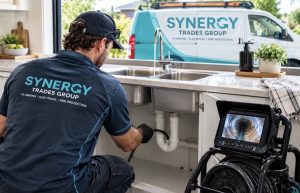
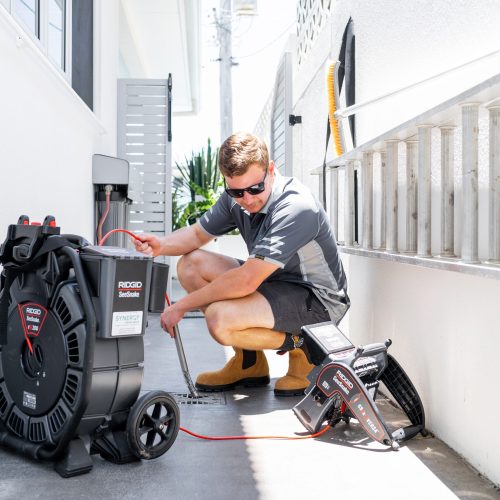
Synergy Trades Group provides water filtration for homes needing a suitable whole-house setup. Turn to the team when you’re weighing filter configurations, planning an installation or arranging filtration work for your property. The right arrangement depends on your water supply, household use and the treatment you want from the system. Sharing those details helps clarify the work required and the options that fit.
Cartridge access and ongoing maintenance are also useful to consider when planning a system. A well-positioned filter makes replacement and servicing more straightforward. For help with water filtration at your home, contact Synergy Trades Group.
Plan the right next step for your home
Before choosing a system, decide what you most want to improve: water throughout the home, drinking water at a particular tap, or both. That priority gives your installation discussion a practical starting point. Mains water filtration works best as a considered household decision, with the system and ongoing care matched to your needs.
Synergy Trades Group can help with water filtration, alongside related plumbing work such as hot water system repairs, blocked drain clearing and RPZ backflow testing. If you’re ready to discuss filtration for your property, contact Synergy Trades Group to take the next step. A clear conversation about your priorities can help you move forward with confidence and choose an approach that fits your home.
Frequently Asked Questions
Are whole home systems better than point-of-use (POU) systems?
Neither option is better for every household; each treats water differently. A whole-house system suits people who want treatment at several connected outlets, such as bathroom taps and showers. A point-of-use filter focuses on one outlet, making it a practical choice when the priority is drinking water from the kitchen tap. Some homes use both, with each system selected for a distinct purpose.
Does it remove fluoride?
Only a filter specifically designed to reduce fluoride should be expected to do so. A general sediment or chlorine filter may not target it. Check the product’s stated treatment claims and exact model rather than relying on broad terms such as “purification”. If fluoride reduction is your main concern, let the filtration method and documented performance guide your choice, not whether the unit is whole-house or installed at one tap.
Does it soften hard water?
A standard water filter doesn’t automatically soften hard water. Filtration and softening address different water characteristics, so a filter chosen for chlorine or sediment may not prevent mineral scale. If scale affects a kettle, shower screen or appliance, you may need a dedicated water softener alongside filtration. The suitable setup depends on the water and the issue you want to address.
How often do the filters need changing?
Mains water filter cartridges are typically changed every 6-12 months, but the system’s instructions set the appropriate schedule. Household water use and incoming water conditions affect how quickly a cartridge reaches its replacement point. Keep the model details and installation date together, then follow the specified replacement guidance. A noticeable change in flow can prompt an inspection, but it doesn’t confirm by itself that the cartridge needs replacing.
Is a home filtration system worth it?
Filtration can be worthwhile when it addresses a specific household priority, such as reducing chlorine taste across several taps or treating drinking water at one outlet. Consider which fixtures need filtered water, what substances the system targets and its ongoing cartridge requirements. A whole-house setup may be unnecessary if only one tap needs treatment. Start with the problem you want solved, then choose a system designed for that purpose.
What is mains water filtration and how does it work?
A mains water filtration system treats water supplied through the property’s mains connection. Water passes through one or more filter stages before reaching the outlets served by the system. Each stage has a particular role, such as capturing sediment or reducing chlorine. The filtration method and configuration determine what the system targets, so check the claims for the specific model and intended use.
What types of mains water filters are available in Australia?
Options include whole-house entry-point systems, under-sink and benchtop filters, and systems with different numbers of treatment stages. Reverse osmosis is another filtration approach, while UV disinfection may be part of treatment for rainwater supplies. These options aren’t interchangeable: they serve different locations and treatment needs. Compare the water source, household use, available space and the contaminants the system is designed to address.
How do whole-house water filters compare with under-sink and benchtop filters?
A whole-house filter treats water for connected outlets, while an under-sink unit serves a particular tap. A benchtop filter also treats water at the point of use, not throughout the home. For example, a household wanting filtered water at bathroom and kitchen fixtures may prefer broader coverage. If the focus is a single drinking-water tap, an under-sink or benchtop option may be more suitable.