Routine drain clearing isn’t usually needed when household drains work normally. For blocked drains in Coolum, arrange professional clearing if you notice slow drainage or a backup. Clearing removes a blockage; cleaning removes buildup from inside the pipes.
A drain that keeps blocking can be frustrating, especially when the cause isn’t obvious. Clearing it may restore flow, but repeated problems can point to tree roots, pipe damage or another issue further along the line.
This guide explains when signs point to a need for clearing, why sewer blockages may return, and when high-pressure water jetting or a camera inspection may help. It also covers why stormwater blockages can need a different approach and what a pipe inspection may reveal when the same drain keeps causing trouble. Understanding the likely cause makes it easier to choose the next step for your home.
Key Takeaways
- Household drains generally need professional clearing when they drain slowly or back up, rather than on a fixed schedule.
- Recurring sewer blockages can point to tree roots, grease, wipes, sanitary items or damaged pipes; the cause helps determine the next step.
- High-pressure water jetting can clear blockages further along pipes than conventional drain-clearing tools.
- A camera inspection after clearing can help show whether the blockage has been removed and where an underlying issue may be.
- Stormwater, sewer and septic drainage can require different clearing approaches, so identifying the affected system matters.
How often should household drains be cleared?
Household drains usually need professional clearing only when they drain slowly or back up. There’s no routine interval that suits every Coolum home. The right timing depends on the symptoms, the affected pipe and whether the same blockage returns after clearing.
Drain clearing removes an obstruction so water can flow again. Drain cleaning removes buildup from inside pipe walls, which may contribute to recurring flow problems. A plumber can assess whether the drain needs clearing, further cleaning or a closer inspection. For example, one slow basin may need a different approach from several fixtures backing up together.
Stormwater pipes carry water away from roofs and the ground, helping manage surface water during heavy rain. Leaves, silt and other debris can restrict that flow. Stormwater blockages can be harder to clear than sewer blockages and may need prompt attention if water is pooling near the home. A stormwater system may include pipes, downpipes, pits and drains, so identifying where water stops moving helps direct the clearing work. Stormwater pipes are often made from 90 mm PVC or flexible pipe, and their layout affects access.
Sewer mains carry wastewater away from household fixtures, while septic systems manage wastewater on properties connected to that type of system. High-pressure water jetting can clear household drains, sewer mains, septic systems and gully traps. The suitable method depends on the blockage and pipe condition. If more than one toilet or drain is affected, explain which fixtures are backing up and when the problem began.
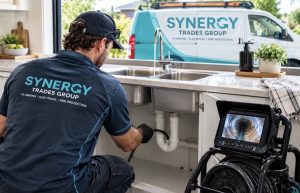
For recurring problems, a useful sequence is to clear the drain, inspect it with a camera and note how soon symptoms return. A camera inspection can help show whether the blockage has been removed and where the issue is on the property. If the drain stays clear, further work may not be needed immediately. If it blocks again soon, that pattern gives the plumber useful evidence of a possible underlying problem.
Before the plumber arrives, stop using fixtures that feed into the blocked drain and keep the affected area accessible. Note which drains are slow, whether water is backing up and when the symptoms started.
In Coolum Beach and across the Sunshine Coast, describe whether the issue affects stormwater or household wastewater when arranging plumbing help. That distinction helps identify the system requiring attention. For local details about blocked-drain support, use the relevant service information for the area.
If water pools outside after rain, mention where it collects and whether nearby downpipes are draining. If indoor fixtures are backing up, describe which ones are affected. These observations help distinguish a local drain obstruction from a blockage further along the sewer line.
Common causes of recurring sewer blockages
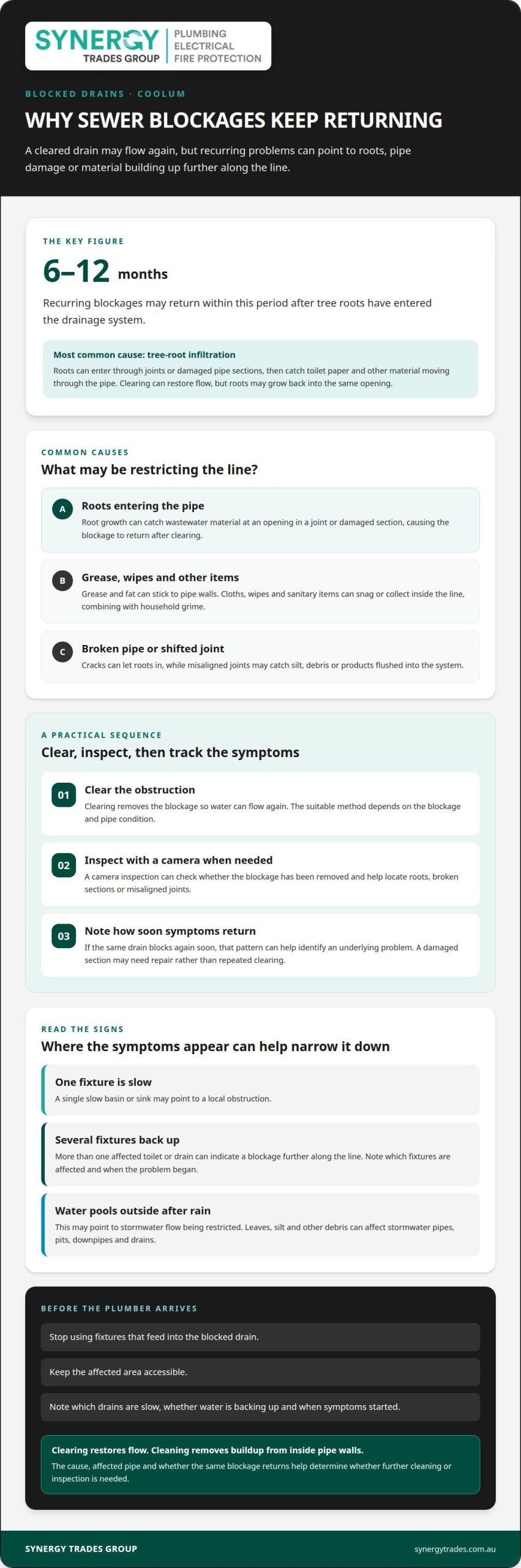
Tree-root infiltration is the most common cause of recurring blockages in a home’s main sewer line. Roots can enter through joints or damaged sections, then catch toilet paper and other material moving through the pipe. Clearing may restore flow, but roots can grow back into the same opening. Recurring blockages may return within 6-12 months after roots have entered the drainage system.
Household habits can also contribute to sewer problems. Grease and fat can stick to pipe walls, while cloths, wipes and sanitary items can snag or collect inside the line. These materials don’t break down like wastewater and can combine with household grime. A blockage may develop gradually, then become obvious when a toilet, shower or floor drain starts draining slowly or backing up.
Broken pipes and misaligned joints can cause recurring problems. A crack can let roots enter, while a shifted joint may catch silt, debris or products flushed into the system. Tree roots, silt, debris, household grime and sanitary products can restrict drainage and contribute to flooding. The pipe’s location and condition help explain why one fixture is affected or several fail together.
Coolum’s local weather context matters, but rain-related events need careful interpretation. Unitywater confirmed two wet-weather overflow events in the Coolum catchment in March and April 2025. Those events don’t, by themselves, establish the cause of a blockage on an individual property. Separately, Sunshine Coast Council has said poor water-quality readings at Stumers Creek after rain are often caused by sediment and pollutants from the surrounding catchment. That relates to catchment water quality, not proof of a household sewer fault.
To identify the cause of a recurring blockage, the plumber considers where symptoms occur, what comes out during clearing and whether the pipe shows damage. A camera inspection can reveal roots, broken sections or misaligned joints. This evidence helps distinguish a one-off obstruction from a defect that may need repair. If the pipe is damaged, replacing the affected section may be more appropriate than repeating the same clearing work.
Good workmanship includes finding the cause, not just restoring flow. If a sewer blockage has returned, arrange an inspection and describe which fixtures are affected and when symptoms began. You can request help with a recurring drain blockage so the issue can be assessed.
High-pressure water jetting
A plumber diagnoses a blockage by assessing affected fixtures, clearing the obstruction and using a CCTV camera inspection when needed. Hydro jetting directs high-pressure water through the pipe, while a camera can help locate the problem and check the result.
The process starts by identifying whether one fixture or several are affected. A blocked kitchen sink, for example, may point to a local obstruction, while multiple affected fixtures can indicate a blockage further along the line. Once access is established, the plumber selects a suitable clearing method. A camera inspection can show roots, debris or pipe damage and help guide the next step.
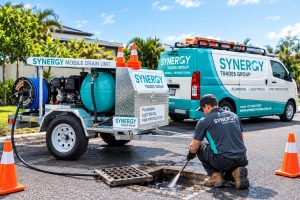
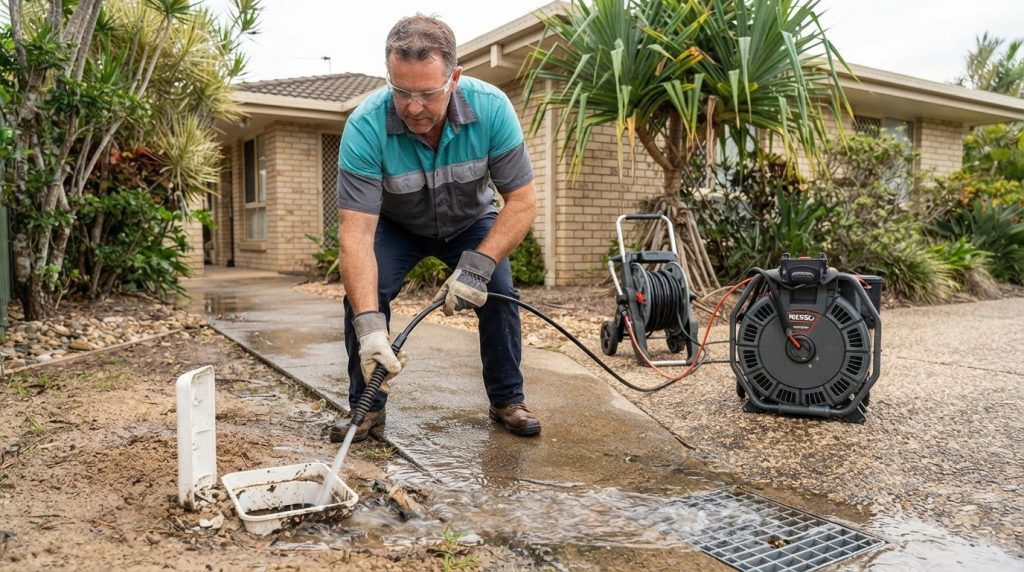
High-pressure water jetting can clear blockages further along pipes than conventional tools such as an electric eel or drain snake. The jet breaks up obstructions and flushes material through the pipe. It can be used for household drains, downpipes, blocked stormwater drains, sewer mains, septic systems and gully traps. The type and location of the blockage help determine whether jetting is suitable.
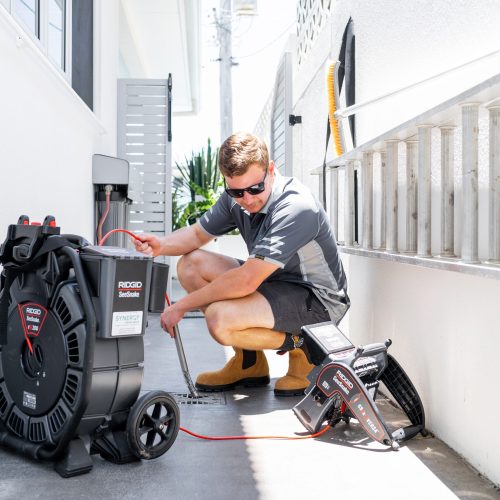
A mechanical drain snake reaches into a pipe to break through or retrieve an obstruction. It may suit a blockage close to an access point, while jetting can reach further along the pipe. Neither method repairs a broken or badly damaged drain. If symptoms return, a camera check can help identify whether roots, a misaligned joint or pipe damage is contributing.
For a simple basin slowdown, you can remove visible debris from the plughole and try a plunger. Avoid mixing drain chemicals or using one product after another, and don’t force a wire or snake into a pipe. If water is backing up through several fixtures, stop using them and arrange a plumbing assessment rather than continuing DIY attempts.
Low-pressure sewer systems need a distinct approach. According to Unitywater’s specification, property owners own and maintain all on-property components of a low-pressure sewer system. If a pump or pipe issue appears to involve that system, a plumber can assess the property-side drainage and identify the affected component.
After clearing, a camera inspection can help establish whether the blockage has been removed and show its location on the property. That information helps determine whether further drain cleaning or repair is needed. It can also reduce guesswork if the same toilet, shower or gully trap blocks again. The next step depends on what the inspection reveals, not simply on which clearing tool was used first.
Local Coolum Beach drain services
For homes in Coolum Beach, choose a plumbing service that handles blocked-drain diagnosis and clearing. The Sunshine Coast location and drain type, such as sewer or stormwater, help define the work required.
Emergency Drain Services
An overflowing toilet, sewage backing up through a floor drain or water entering living areas needs urgent attention. A slow basin with no spreading water presents a different level of urgency. Describe the affected fixtures, whether wastewater is present and whether the problem is worsening. “Emergency” describes urgency, not a guaranteed arrival time or round-the-clock availability.
Finding a Blocked Drain Plumber
Choose a plumbing service that handles blocked-drain diagnosis and clearing, rather than assuming every plumber focuses on drainage. Explain whether the issue is inside the home or outdoors and whether it affects sewer pipes or stormwater. For example, several toilets backing up differs from a single downpipe overflowing. Clear details help the plumber understand the job before attending.
Coolum Beach properties can have separate wastewater and stormwater systems. Sewer drains carry wastewater from fixtures, while stormwater pipes take water from roofs and the ground. A blocked gully trap, backed-up toilet and flooded stormwater pit are different symptoms. Identifying the affected area helps guide the inspection and clearing method.
For a Sunshine Coast home, note when the problem began and what changed beforehand. Heavy rain, landscaping work or a drain that has blocked repeatedly can provide useful context. If water is pooling beside a downpipe, mention where. If indoor fixtures are affected, identify each one, such as the laundry tub and shower.
A local drain service may need to assess access points, pipe layout and the blockage itself. Clearing can remove an obstruction, while a camera inspection can help locate a recurring issue. For example, a pipe that clears but blocks again may need a closer inspection for roots or damage, rather than another attempt at the same access point.
When arranging help around Coolum Beach, give the property location, affected fixtures and any signs of wastewater overflow. Keep people away from contaminated water and stop using fixtures that feed into the affected drain. These steps clearly communicate the immediate problem and support a focused response.
If water is moving across or pooling in a yard, ask whether a French drain is relevant to the site. A French drain is a shallow, gravel-filled trench covered with permeable landscape fabric and topped with crushed stone, allowing water to flow away from a yard. When describing the issue, identify the part of the yard involved and where the water seems to be going.
When speaking with a drain service, describe where water gathers, where it appears to be moving, and whether the concern is in the yard or inside the home. Ask whether the described French drain construction suits the issue, rather than treating every drain concern as the same kind of blockage. Focusing on the location and the water’s path can clarify that the problem is about moving water away from a yard.
Recurring blockages and underlying pipe problems
A drain that blocks again after clearing may have a fault beyond the obstruction. Tree-root intrusion, pipe damage and misaligned joints can all restrict flow and catch debris. A camera inspection helps locate these problems so repairs can address the affected section instead of repeatedly treating the same symptom.
Stormwater drains can be especially vulnerable to physical damage. Pipes may be crushed or broken, while roots can enter and damage them until drain-cleaning equipment can no longer clear the blockage. A recurring outdoor pool near a downpipe, for example, may indicate a stormwater problem rather than a sewer fault. Identifying the affected system guides the next inspection.
Misaligned joints create edges inside a pipe where silt and debris can collect. A crack or gap can also let roots enter. If water flows after clearing but the same section blocks again, inspect the pipe’s condition. A camera view can show whether the problem is a removable obstruction or a defect requiring repairs.
Coolum residents can reduce avoidable blockages by keeping grease, fat, wipes and sanitary items out of toilets and drains. These materials can collect inside pipes and worsen a restriction. For stormwater, keep leaves and loose debris clear of accessible grates and pits to limit what enters the drainage system. These habits won’t repair a broken pipe or prevent roots entering a damaged joint.
When roots have infiltrated a drain, clearing can restore flow without removing the point of entry. The roots can grow back through the same opening, and blockages may recur within 6-12 months. A camera inspection after clearing can identify the affected location and help determine whether the pipe needs further work.
Two lasting repair approaches are replacing the affected drain section or relining the pipe. Replacement removes the damaged section and installs a new one. Relining addresses the affected pipe from within, avoiding that type of full-section replacement. Camera findings and pipe condition help determine which approach suits the defect. Neither is necessary for every blockage.
Pipe patching is another term you may encounter during repair discussions. The key question is whether the proposed work addresses the defect causing the repeat blockage, rather than simply clearing debris. Ask for the affected location and the reason for the recommended repair to be explained in plain language. A clear diagnosis links the inspection findings to the repair choice.
If your drain keeps blocking, arrange an assessment that includes locating the cause before deciding on repairs or installation. Request help with a recurring drain blockage.
Synergy Trades Group: Blocked Drain Clearing
Synergy Trades Group clears blocked drains when household drains slow, back up or block repeatedly. Clearing can restore flow, while recurring problems may call for an inspection to see whether roots, debris or pipe damage are contributing. Sharing which fixtures are affected and how often the issue returns helps explain the problem clearly.
If the blockage is part of a broader plumbing concern, Synergy Trades Group also handles hot water system repairs, RPZ backflow testing, and bidet supply and installation. These are separate services, so the next step depends on the issue at your property.
For a blocked drain in Coolum, contact Synergy Trades Group to discuss the problem and arrange suitable assistance.
Choose a clear next step for your drains
A drain problem is easier to manage when the next decision follows evidence rather than guesswork. If the same fixture slows again, note what changed and whether other drains were affected. That history can help distinguish a recurring symptom from a new issue and make a follow-up assessment more focused.
For blocked drains in Coolum, the useful outcome isn’t simply getting water moving again. It’s understanding what the inspection found, what work is recommended and why it suits the pipe’s condition. Clear information helps you decide whether to proceed with clearing, consider repairs or monitor the drain.
Synergy Trades Group can help with blocked drain clearing and explain the next step for your property. Arrange a conversation about your drain issue, and take the uncertainty out of deciding what to do next.
Frequently Asked Questions
Do Coolum plumbers offer 24/7 emergency blocked drain services?
Some plumbing businesses may offer round-the-clock emergency call-outs, but availability varies. Blocked drain clearing doesn’t automatically mean a plumber is available at all hours. Synergy Trades Group provides blocked drain clearing, but don’t assume a service is 24/7. If wastewater is overflowing or affecting living areas, describe the urgency and the immediate symptoms when arranging assistance.
What causes blocked drains in Coolum Beach homes and businesses?
Common causes include fats, grease, soap scum, hair, wipes, foreign objects, tree roots and broken pipes. At home, hair and soap residue can collect around a shower waste, while grease can build up in a kitchen line. In a business, material entering sinks and floor wastes can contribute to restrictions. A gurgling toilet can signal a partial blockage, even before water backs up.
How can I tell whether a drain blockage is an emergency?
Treat a blockage as urgent if sewage is overflowing, wastewater is entering living areas or several fixtures are backing up at once. A single slow sink without spreading water is usually less pressing, but still needs attention if it worsens. Stop using affected fixtures and keep people away from wastewater. When arranging help, explain where water is appearing and which fixtures are affected.
Who is responsible for a blocked drain in Queensland: the property owner or Unitywater?
Responsibility depends on the drainage system and the component involved. According to Unitywater’s specification, property owners own and maintain all on-property components of a low-pressure sewer system. That statement applies to those on-property components, not automatically to every sewer pipe in Queensland. Identifying whether the affected pipe or equipment is part of a low-pressure sewer system is an important first step in understanding responsibility.