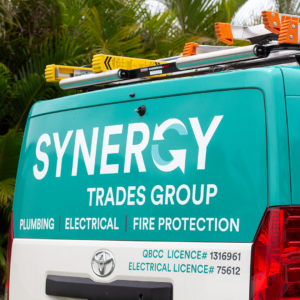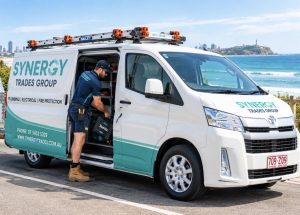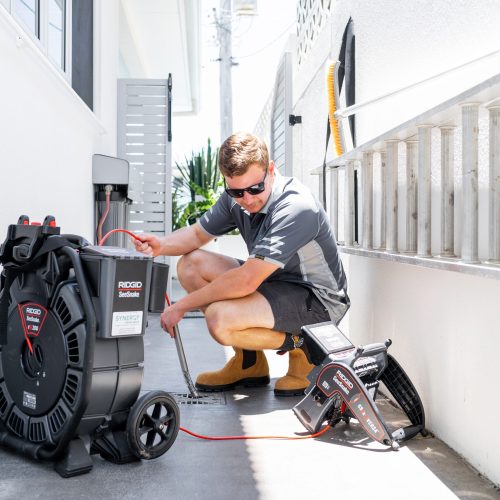
Electrical work is about keeping a property’s power safe and dependable, not just restoring it after a fault. If you’re looking for an electrician near me, a local professional can install, repair and test electrical systems, including wiring, power points, lighting and switchboards. In Australia, electrical work around live wires must comply with the Australian Wiring Rules and Regulations standard AS NZS 3000:2018.
It’s understandable to want clear answers before arranging a visit: the right electrician depends on the job, and costs can vary with the work involved. This guide explains what electricians do, how to choose a local professional, what affects the cost of installing an outlet, and when an electrical issue needs urgent attention. It also looks at repairs and maintenance, so you can better understand the work involved and decide on a practical next step.
Key Takeaways
- Electrical faults, damaged wiring and power problems call for a licensed professional; recognise urgent warning signs and prioritise safety.
- For work in Queensland, choose an electrician who holds a valid Queensland electrical licence and compare written quotes that clearly describe the job.
- Outlet installation costs depend on access, wiring, the type of power point and whether extra work is needed, so review the quote before work begins.
- Domestic, commercial and industrial electrical work can involve different systems and requirements, so match the electrician’s experience to the property and task.
- Regular inspections and prompt repairs can help identify electrical issues before they disrupt a home or workplace.
Emergency electrical services
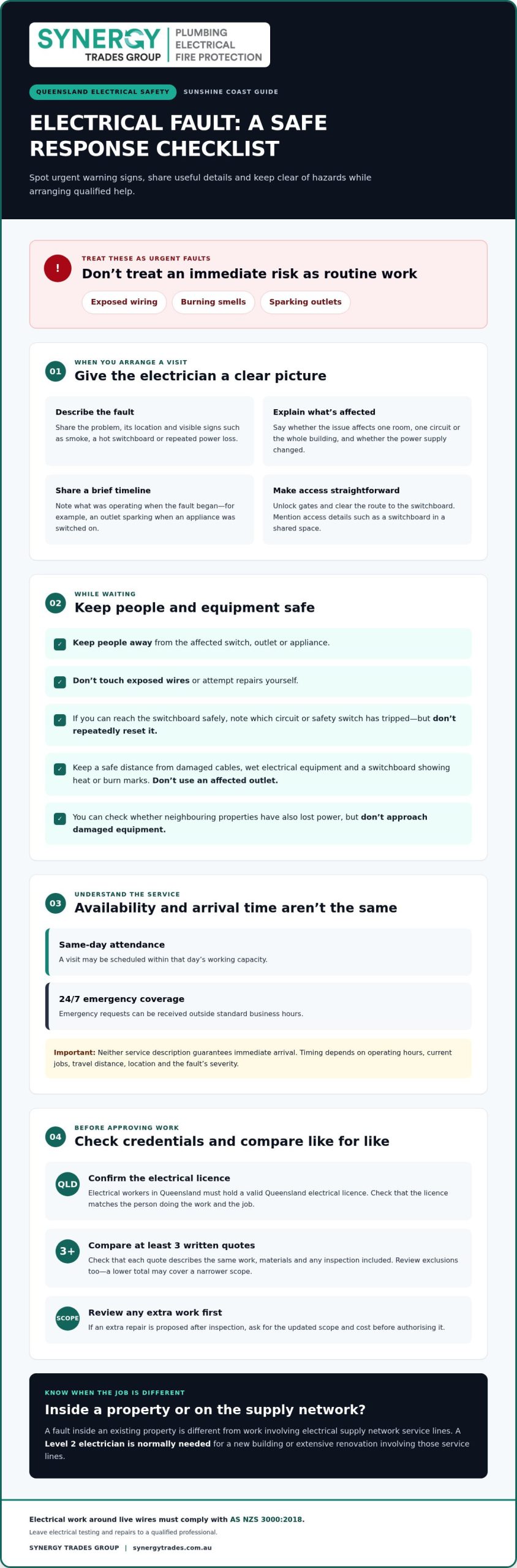
An electrical emergency can threaten safety, security and power supply. Treat exposed wiring, burning smells or sparking outlets as urgent faults, not routine electrical work.
Emergency response availability
An emergency electrician responds to faults that create immediate risk or disrupt essential supply. Before arranging a visit, describe the problem, its location and any visible signs, such as smoke, a hot switchboard or repeated power loss. These details help the electrician assess urgency and prepare for the work.
Response times depend on operating hours, current jobs, travel distance and the fault’s severity. For a Sunshine Coast property, explain whether the issue affects one room or the whole building. In Queensland, electrical workers must hold a valid Queensland electrical licence.
Same-day and 24/7 service
Same-day attendance and 24/7 emergency coverage are different service arrangements. Same-day means a visit may be scheduled within that day’s working capacity; 24/7 means emergency requests can be received outside standard business hours. Neither describes how serious a fault is.
When comparing services, look for clear operating hours and emergency contact arrangements. A provider without after-hours coverage may not respond to an overnight fault until business hours. An advertised emergency service does not guarantee immediate arrival, since timing depends on location, workload and the problem reported.
Preparing for an electrician’s visit
Before the electrician arrives, keep people away from the affected switch, outlet or appliance. Don’t touch exposed wires or attempt repairs. If you can reach the switchboard safely, note which circuit or safety switch has tripped, but don’t repeatedly reset it.
Make access straightforward by unlocking gates and clearing the route to the switchboard. Tell the electrician where the fault started, what was operating and whether the power supply changed. A brief timeline, such as “the kitchen outlet sparked when the kettle was switched on”, provides useful context.
An electrical emergency may involve a local fault or a wider supply issue. Check whether neighbouring properties have also lost power, without approaching damaged equipment. If only one circuit is affected, tell the electrician which lights or outlets stopped working.
Keep a safe distance from damaged cables, wet electrical equipment and a switchboard showing heat or burn marks. Don’t use an affected outlet while waiting. Electrical work around live wires must comply with AS NZS 3000:2018, so leave testing and repairs to a qualified professional.
Some urgent projects involve the supply network rather than a household circuit. A Level 2 electrician is normally needed for a new building or extensive renovation involving electrical supply network service lines. That’s different from an emergency electrician repairing a fault inside an existing property.
How to hire the best local Electrician near you?
Start by matching the electrician’s licence and experience to your property and the job. On the Sunshine Coast, compare written quotes and confirm that the electrician holds the relevant Queensland credentials.
Local service areas
The Sunshine Coast includes Caloundra, Maroochydore, Noosa, Buderim and Mooloolaba, as well as the Hinterland. Give your suburb and property address when describing the job so the electrician can account for the location and access.
Explain whether the work is at a home or commercial property. A power point fault in a Caloundra home differs from maintenance across a Maroochydore workplace. Include the affected area, symptoms and access details, such as a locked gate or a switchboard in a shared space.
Compare at least 3 quotes from local electricians. Check that each quote describes the same work, materials and any inspection included. A lower total may cover a narrower scope, so compare the proposed tasks and exclusions before deciding. If the quote changes after inspection, review the updated scope before approving extra work.
Checking an electrician’s licence
Electricians working in Queensland must hold a valid Queensland electrical licence. Ask for the licence details and ensure they match the person doing the work and the type of job. This is especially useful when arranging work at a rental property or commercial site.
Clarify who will attend and who will explain the quote. If a switchboard issue affects several rooms, for example, ask what testing is proposed and how the findings will be reported. Clear answers help you understand the scope before work begins.
When a licensed electrician is required
Use a licensed electrician for electrical installation, repairs and testing. Don’t attempt work on wiring or a switchboard yourself. In Queensland, the electrician must hold a valid Queensland electrical licence, whether the work is at a residential or commercial property.
A safety switch installation or investigation of a circuit that repeatedly trips involves electrical work. Describe the fault and property type when requesting a quote, so the proposed work addresses the issue rather than relying on assumptions.
Before approving work, get a written quote that sets out the tasks and any related work. Keep it with the invoice and test records. If an extra repair is proposed, ask for its scope and cost before authorising it. This gives you a clear record of what was agreed and completed.
Prepare a concise job description with your Sunshine Coast suburb, property type and symptoms. Note whether the problem affects one room or several circuits. Arrange an electrical service booking with those details ready.
How much does it cost to install an electrical outlet?
Outlet installation costs depend on the property and the electrical work required. On the Sunshine Coast, access, wiring, circuit capacity and the chosen outlet location all affect the job’s scope.
Upfront quotes and inspection costs
Request a written quote that separates outlet installation from inspection or repair work. It should outline the proposed tasks, materials and labour, along with any additional work that may be needed. A new outlet, for instance, may require wiring to be extended or a circuit issue to be investigated first.
The price depends on the job and is provided after a quote request. Key factors include access, wiring distance, materials, circuit capacity and the inspection required. If an electrician identifies extra work during an inspection, ask for a revised written scope before approving it.
Depending on the symptoms, an inspection may involve the outlet, its circuit or the switchboard. Describe what happens, such as a loose-fitting plug or an outlet that loses power. This helps define what needs assessment and which tasks belong in the quote.
Power point installation costs
A straightforward installation differs from adding a power point where suitable wiring isn’t already available. The electrician considers wall material, distance from the existing circuit, access beneath floors or inside ceilings, and the requested position. A brick wall, for example, may need different preparation from an accessible plasterboard wall.
Several power points installed during one visit may share setup and access, but each location still needs assessment. Tell the electrician how many outlets you need and where you want them. Mention nearby appliances too, as their use may matter when assessing circuit capacity.
Check whether the quote includes post-installation testing and any making-good work. Clarify whether switches, faceplates or changes to existing wiring are included. A written scope lets you compare quotes for the same tasks, rather than relying on totals that cover different work.
Comparing outlet installation quotes
For a Sunshine Coast property, compare quotes based on your address and the same installation scope. Access, property layout, wiring condition and distance from the switchboard can change the work involved. A quote for another property or outlet location may not reflect your job.
A switchboard upgrade is separate from adding an outlet. If the electrician identifies a circuit capacity issue or switchboard concern, ask for that work to be described separately. This keeps a proposed upgrade distinct from the original power point installation and makes the scope easier to review.
Before approving the job, check that the written quote identifies outlet locations, wiring tasks, inspection work and exclusions. If the scope changes after assessment, review the revised details before authorising additional work.
Domestic, commercial and industrial electricians
The property type and task determine the electrical work required. A house, retail tenancy and industrial workshop can have different wiring layouts, appliances and operating demands. Describe the site and job clearly before booking. For example, say whether you need a ceiling fitting replaced, commercial lighting checked or equipment connected in a workshop.
Domestic electricians handle household needs such as lighting, power points, switchboards and appliance connections. Installing a bedroom ceiling fan differs from investigating a kitchen circuit that trips when several appliances run. Tell the electrician which rooms or equipment are affected and whether the issue is new or recurring. This helps define the inspection and repair scope.
Residential and commercial work can overlap, but the setting affects how the job is planned. At home, access may involve a roof space, wall cavity or occupied room. In a shop or office, the electrician may need to account for staff, customers, business equipment and work areas. For a fit-out, provide plans showing lighting, outlets and equipment positions.
Commercial electrical maintenance can address faults before they interrupt daily operations. A useful job brief might list flickering storeroom lights, an outlet that no longer works, or a fitting damaged during a tenancy change. Grouping known issues helps the electrician assess the work. Ask for completed tasks and any remaining work to be recorded clearly.
Industrial electrical work may involve specialised equipment and more complex site conditions. According to the Australian Bureau of Statistics, registration or licensing is required for an industrial electrician in Australia. Give the electrician the equipment type, the area affected and any relevant access or shutdown constraints. These details help establish the work needed before the visit.
Inspections and testing also require appropriate competence. Safe Work Australia says a competent person must perform electrical inspections and testing; this is usually a licensed or registered electrician or a licensed electrical inspector. For example, a business arranging equipment checks should clarify what needs testing and how results will be recorded.
Before approving work, match the electrician’s experience to the property and task. A domestic repair, commercial tenancy fit-out and industrial equipment issue are different jobs. Share site access details, describe the required fitting or wiring change, and ask for a written scope. This gives both parties a clear record of the expected work.
Electrical repairs and maintenance
Planned electrical maintenance can identify faults before they interrupt a home or workplace. Note changes such as flickering lights, a fitting that feels unusually warm, or an appliance that repeatedly trips a circuit. Record when the symptom occurs and which rooms or equipment are affected. That practical history helps an electrician narrow down the inspection rather than relying on a vague description.
Residential electrical systems are recommended to be inspected every 3 to 5 years. Commercial premises or rental properties may require electrical checks annually or more frequently. The building’s use and equipment help determine what needs attention. For example, a Sunshine Coast rental property can benefit from recording faults reported between tenancies, then arranging an appropriate inspection.
Safe Work Australia says a competent person must perform electrical inspections and testing. They are usually a licensed or registered electrician or a licensed electrical inspector. Testing can identify issues that aren’t visible during a basic visual check. Ask for the results to be documented, including faults found, repairs completed and any items requiring follow-up.
A simple electrical installation or repair may take 1 or 2 hours, depending on access and the work involved. A repair to one lighting fitting is different from tracing a fault through several circuits. The electrician may need to test equipment, inspect wiring and identify the cause before recommending a repair or replacement. Give them a clear description of what changed and when.
If a charger or appliance stops working, note whether other equipment on the same circuit still operates. If lighting flickers in one room but not elsewhere, identify the affected fittings and any recent changes. Don’t remove covers or attempt electrical repairs yourself. Leave testing and repairs to a qualified professional, particularly when wiring or a switchboard is involved.
Keep a maintenance record with inspection findings, the date of completed work and any follow-up recommendations. For a business, include the equipment or area involved, such as a storeroom light or staff kitchenette outlet. Clear records help identify recurring problems and give an electrician useful context at the next visit.
Arrange an electrical maintenance visit if you need an inspection, fault diagnosis or replacement work. Describe the affected area and symptoms when booking, and keep the record of earlier repairs handy. Book an electrical maintenance visit.
Synergy Trades Group: Hot Water System Repairs
Synergy Trades Group provides hot water system repairs when a system stops heating, leaks or needs attention. If an electrical fault appears to involve the hot water unit, don’t open it or attempt repairs yourself. A qualified electrician is required for electrical wiring or switchboard faults; contact Synergy Trades Group about hot water system repairs.
Synergy Trades Group also provides blocked drain clearing, RPZ backflow testing and bidet supply and installation. These services address plumbing and backflow needs, rather than general electrical repairs, so choose support that matches the problem.
For a hot water system concern, hot water system repairs can be a practical next step. Contact Synergy Trades Group to discuss your hot water system needs.
Make your next maintenance step count
A search for an electrician near me is a starting point. Before arranging work, decide what outcome matters most: restoring a circuit, making a room more practical or planning electrical maintenance around your household or business routine. A clear priority keeps the conversation focused on the issue that matters to you.
For ongoing property care, keep a simple record of work completed and problems that return. This history can guide future maintenance and make recurring faults easier to explain. For plumbing or hot water needs, Synergy Trades Group provides relevant repair services.
If you’re ready to discuss a job, send Synergy Trades Group a booking request. Take the next step at a pace that suits your property and priorities, with a clearer plan for the work ahead.
Frequently Asked Questions
What does an electrician do?
An electrician installs, tests, maintains and repairs electrical systems in homes and workplaces. This can include wiring, switchboards, power points, lighting, safety switches and appliance connections. For example, if a circuit trips whenever a particular appliance runs, an electrician can investigate the circuit and identify the cause. Electrical work differs from general handyman tasks because it involves equipment and wiring that need competent handling.
How much does a licensed electrician cost per hour?
The final bill can also depend on the task’s complexity, access, materials and whether inspection or fault-finding is needed. Ask for a written quote that states whether labour is charged hourly or priced for the job. Check what the quoted amount covers, especially if the electrician may need to investigate an underlying fault.
What if I’m not satisfied with the work completed?
Raise the concern promptly and describe what differs from the agreed scope. For example, note which fitting still doesn’t work or which item appears unfinished. Keep the quote, invoice and messages together, then ask the electrician to explain the completed work and next step. If you believe there’s an immediate electrical safety risk, keep people away from the area and explain the concern clearly.
What if my home repair is urgent or an emergency?
Explain the fault clearly and state why it feels urgent, such as a burning smell, visible sparks or sudden loss of power. Keep people away from damaged wiring or electrical equipment, and don’t attempt repairs yourself. Emergency attendance and 24/7 availability are not the same thing, so confirm the service’s operating hours and response arrangements when booking. If there’s smoke or fire, contact emergency services.
What should I clarify when hiring professional electricians in my area?
Clarify the job scope, who will complete the work, what the quote includes and how changes will be handled. Ask whether testing, materials and removal of faulty fittings are included. For a job involving several rooms, list each affected area so the quote reflects the full task. Comparing at least 3 quotes can help you assess differences in scope, not just the totals.
Why Choose a Local Electrician Over a Big Company?
A local electrician may know the area’s property types and travel routes, while a larger company may have different scheduling and team arrangements. Neither size alone proves suitability. Compare the electrician’s licence, experience with your job, written scope and communication. For a Sunshine Coast home, provide your suburb and describe access needs so the booking can be assessed accurately.
electricians near me in Australia: local ratings and reviews
Synergy Trades Group electrician services have an average rating of 4.94 based on 695 reviews.
how to compare local electricians: reviews, insurance and warranties
Compare at least 3 written quotes for the same tasks, materials and inspections, and check the scope and exclusions. In Queensland, confirm the electrician holds a valid Queensland electrical licence.