A cold shower doesn’t always mean your entire hot water system has reached the end of its life. Most homeowners assume the worst when the water runs icy, but the problem is frequently limited to a single faulty component. Choosing a professional Thermostat & Element repairs & replacement – Sunshine Coast service can often save you the cost of a brand-new tank while getting your morning routine back on track. It’s frustrating to deal with high electricity bills or decipher confusing technical jargon when you just want a warm wash. You deserve a straightforward solution without unnecessary stress or hidden fees.
We agree that hot water is a basic necessity that should be easy to maintain. In this guide, you’ll learn how to identify a failing element, the benefits of timely repairs, and how to weigh up the costs of a fix versus a full replacement. We’ll also explore how the Sunshine Coast’s soft water impacts your system and why Queensland’s strict licensing laws mean you need a dual-licensed expert for the job. This overview provides the clear, honest advice you need to make an informed decision and find a reliable local tradesman who values transparency.
Key Takeaways
- Understand how the thermostat acts as the “brain” and the heating element as the “kettle coil” to keep your household water at the perfect temperature.
- Identify the early warning signs of component failure, such as lukewarm water or sudden temperature drops, to avoid the cost of an unnecessary full system replacement.
- Learn how local water conditions in areas like Buderim and Noosa impact component longevity and how professional Thermostat & Element repairs & replacement – Sunshine Coast can get you back on tap fast.
- Evaluate the “10-year rule” to determine if a simple part swap or a new hot water installation is the most cost-effective and reliable choice for your home.
- Discover the peace of mind that comes from hiring dual-licensed experts who can safely manage both the plumbing and electrical aspects of your repair in a single visit.
Understanding Hot Water Failure: The Role of Thermostats and Elements
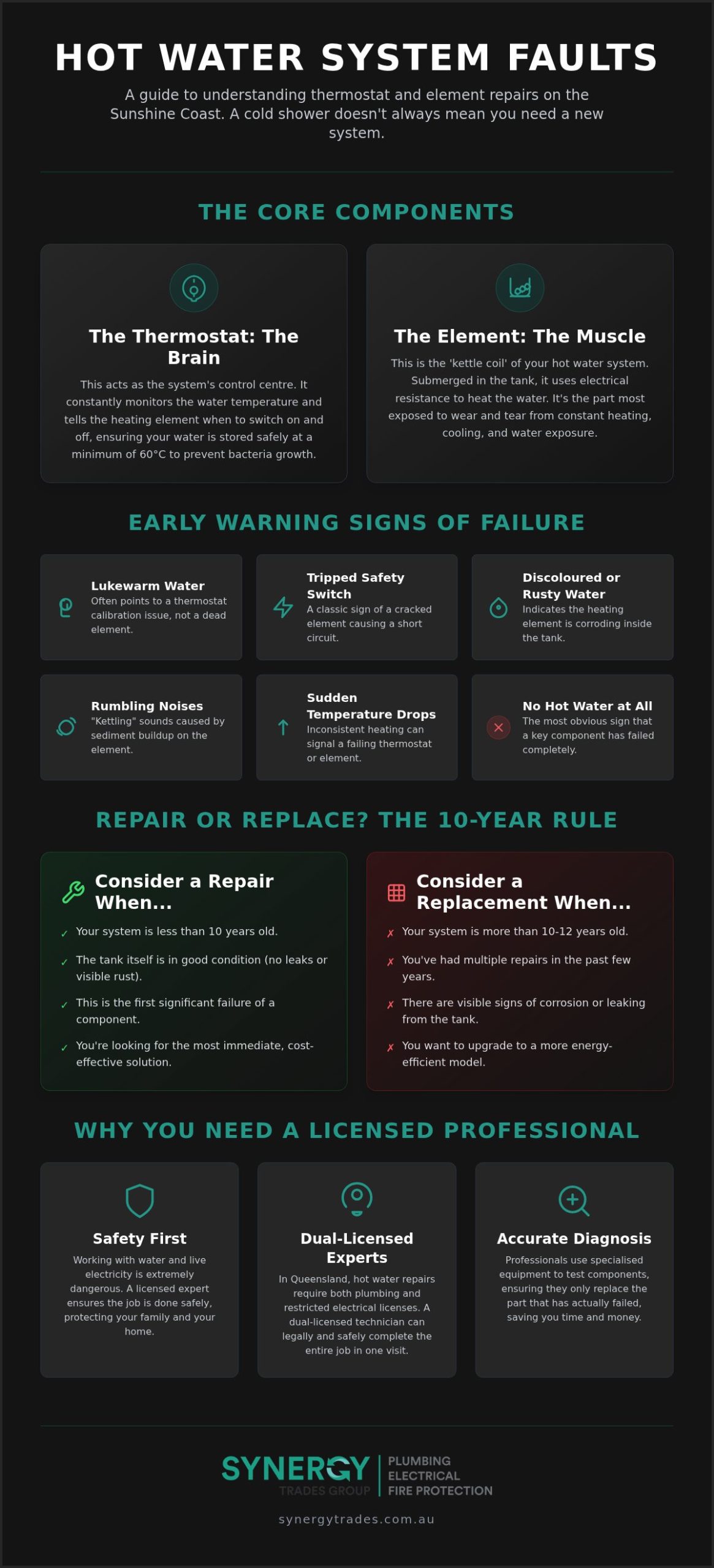
Waking up to an icy shower is a frustrating way to start the day, but it rarely means you need to scrap your entire unit. In most electric storage systems, the problem lies with one of two hard-working components. For residents looking into Thermostat & Element repairs & replacement – Sunshine Coast, the first step is knowing how these parts interact. While the tank itself is just a vessel, the element and thermostat are the moving parts that do the heavy lifting. Most electric hot water issues are component-based, making a targeted repair much more affordable than a full system replacement.
How the Heating Element Generates Warmth
Think of the heating element as a heavy-duty version of the coil found in your kitchen kettle. This component is submerged directly in the water and uses electric resistance elements to convert electricity into heat. There are two common varieties used in Australian homes: “plug-in” elements that screw into a threaded opening, and “bolt-on” elements that are secured with a flange and several bolts. Over time, the constant expansion and contraction of the metal causes fatigue. The element eventually burns out or develops a hairline crack, which trips your safety switch and leaves you with cold water. Because it’s always under water, it’s the part most susceptible to wear and tear.
The Thermostat: Your System’s Temperature Guard
If the element is the muscle of the system, the thermostat is the brain. It monitors the water temperature and dictates exactly when the element should turn on or off. Australian standards require water to be stored at a minimum of 60°C to prevent the growth of Legionella bacteria, and the thermostat is responsible for maintaining this precise level. It also features a high-limit cut-out switch, a vital safety device that trips the power if the water becomes dangerously hot. The thermostat is the primary safety and control mechanism for your hot water.
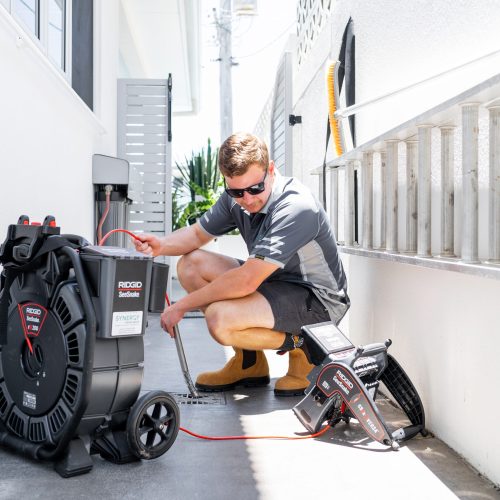
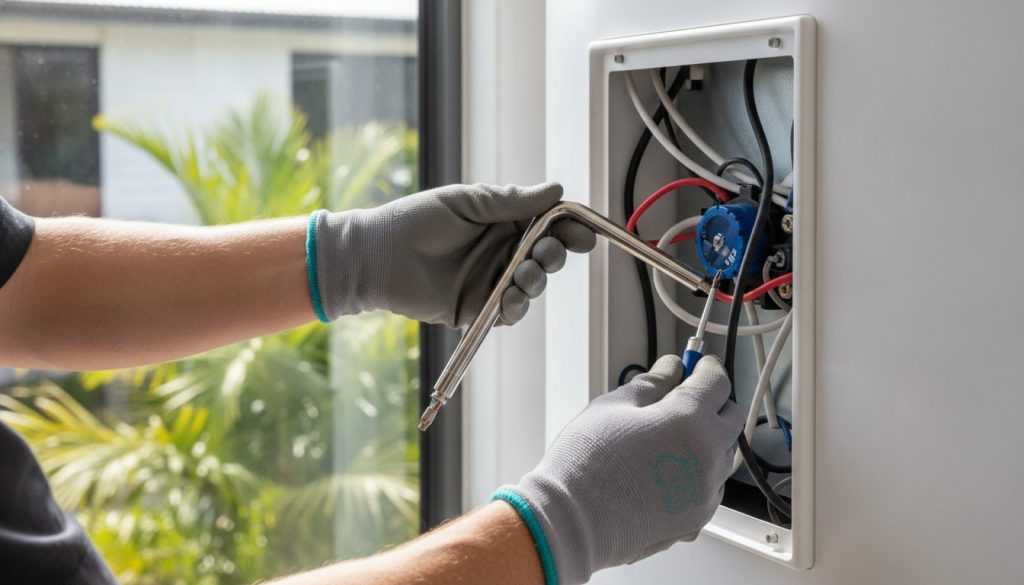
Because a faulty thermostat can mimic the symptoms of a dead element, a professional diagnosis is essential. Testing these components involves working with both water and live electricity, which is why a dual-licensed expert from Synergy Trades Group is your best bet. We use specialised testing equipment to confirm which part has failed before we ever pick up a spanner. This methodical approach ensures we solve the problem correctly the first time, saving you from the cost and hassle of replacing parts that are still in good working order.
Signs Your Hot Water Component is Faulty: A Diagnostic Guide
Identifying a fault early can prevent a minor repair from turning into a major headache. While a total lack of hot water is the most frequent complaint, other subtle signs often appear first. If your tap water looks discoloured or rusty, it’s a strong indicator that your heating element is corroding and shedding metal into the tank. Similarly, if you hear strange “kettling” or rumbling noises coming from your unit, it usually means sediment has settled on the element. You can often reduce sediment buildup by flushing the system periodically, but once the element begins to rumble, the physical damage is likely already done.
Lukewarm water is another common red flag that homeowners shouldn’t ignore. This often points to a thermostat calibration issue rather than a completely dead element. If the thermostat isn’t reading the internal tank temperature correctly, it might shut off the power before the water reaches the required 60°C. For residents needing Thermostat & Element repairs & replacement – Sunshine Coast, professional testing is the only way to confirm which component is causing the drop in temperature. We often find that a simple adjustment or a quick thermostat swap is all that’s required to restore your comfort.
Can a Safety Switch be Faulty or is it the Element?
One of the most overlooked symptoms of element failure is a tripped safety switch (RCD). When a heating element “splits” or develops a crack, water enters the internal wiring. This causes an immediate short circuit that trips the power to the unit to protect your home. Before calling a plumber, check your switchboard. If the hot water circuit has flipped to the “off” position, the element is almost certainly the culprit. While safety switches themselves can occasionally fail, they are usually just doing their job. Our dual-licensed team can test both the switch and the element to ensure the electrical side of your hot water systems is safe and functional.
Symptoms of a Dying Thermostat
A failing thermostat behaves differently than a dead element. Instead of cold water, you might experience water that is dangerously hot or wildly inconsistent throughout the day. If the thermostat sticks in the “on” position, it can overheat the water until the high-limit cut-out switch pops. This “reset” button is a safety feature found on the unit itself; if it keeps popping out after you push it back in, the thermostat is likely faulty. A struggling thermostat can also lead to significantly higher electricity bills as the system works overtime to regulate heat. If your bills have spiked without reason, request a professional inspection to rule out a component fault.
Sunshine Coast Water Quality: Why Elements Fail Locally
The local environment is tough on home appliances. While the region is generally known for having soft water, this actually makes the supply more corrosive to standard copper elements over time. In specific elevated pockets like Buderim, mineral fluctuations can still occur, leading to significant scale issues. Understanding how hard water affects water heaters helps explain why calcium deposits form a chalky crust on the element. This layer acts as insulation, forcing the element to work much harder to heat the water. Eventually, the metal fatigues under the intense heat and snaps, leaving you with a cold shower.
Salt air is another silent killer for systems located near the beach. Living close to the ocean means salt spray can infiltrate the external covers of your unit, leading to rapid corrosion of electrical terminals and wiring. For residents seeking Thermostat & Element repairs & replacement – Sunshine Coast, this is a frequent discovery during our inspections. We don’t just swap the part; we check the integrity of the whole connection to ensure the sea air hasn’t compromised your safety. A clean, tight connection is vital for the longevity of any new component.
Every electric tank contains a sacrificial anode, a magnesium or aluminium rod designed to rust so your tank and element don’t have to. Once this rod is spent, the water begins attacking the heating element directly. If your anode hasn’t been checked in the last few years, your element is likely operating without its primary line of defence.
Sediment Build-up in Coastal Tanks
Over years of service, fine particles and heavy minerals settle at the base of your tank. This layer can eventually bury the bottom heating element entirely. It creates a “hot spot” where heat cannot dissipate into the water effectively, causing the element to essentially cook itself in the mud. Regular flushing can clear this debris and significantly extend the life of your repairs. It’s a simple maintenance step that prevents premature burnout and keeps your system running efficiently.
Suburbs Most Affected by Mineral Content
Water quality and pipe conditions aren’t uniform from Caloundra to Noosa. Established suburbs like Maroochydore often have older internal piping that contributes more debris and rust to the system than newer developments. We see a high volume of calls from these areas where systems are battling both age and the coastal environment. If you’re unsure about your local conditions, check our Sunshine Coast service area page for expert local support. We understand the unique factors that make Thermostat & Element repairs & replacement – Sunshine Coast such a vital service for coastal families.
Repair vs. Replace: When to Swap the Element or the Tank
Deciding whether to invest in a repair or commit to a full replacement is a common dilemma for homeowners. The general rule of thumb in the industry is the 10 year mark. Most electric storage tanks are designed to last between 10 and 15 years, so if your system is approaching double digits, a full hot water installation might be the more economical long term choice. However, for a mid-life system, a targeted fix is often the smartest move. Our team specialises in Thermostat & Element repairs & replacement – Sunshine Coast, providing honest assessments on whether your tank has another five years of life left in it.
Physical integrity is the ultimate deciding factor. We always check the base of the tank for signs of “weeping” or rust. If the water is leaking from the actual cylinder wall rather than a valve or a fitting, the internal lining has likely failed. In these cases, even a brand new element won’t save the unit. If the tank is ancient and struggling to keep up with your household’s demand, upgrading to a modern, better insulated model can also lead to significant energy efficiency gains.
When a Simple Repair is the Smart Choice
If your tank is under 8 years old and in mint condition, replacing the components is almost always the best path forward. Elements and thermostats are wear parts, much like the tyres on a car. You wouldn’t buy a new vehicle just because the tread is thin, and the same logic applies here. When the tank is structurally sound, a quick component swap can restore your hot water for a fraction of the cost of a new system.
| Factor | Component Repair | Full Tank Replacement |
|---|---|---|
| Upfront Investment | Low (Part + Labour) | Higher (Unit + Install) |
| Time to Complete | Usually under 1 hour | Half a day or more |
| System Lifespan | Extends current life | Resets to 10+ years |
| Warranty | On new parts only | Full manufacturer warranty |
Signs it is Time for a Full Replacement
Persistent puddles at the base of your unit are a major red flag. While a dripping pressure relief valve is a minor issue, heavy internal corrosion that has compromised the tank lining cannot be fixed. We often see families in growing areas like Sippy Downs who have outgrown their original 125L or 160L tanks. If you find yourself constantly running out of hot water, it might be time to skip the repair and upgrade to a larger capacity unit that suits your lifestyle. If you are unsure which path to take, book an expert inspection for a clear, professional recommendation.
The Synergy Trades Approach to Hot Water Repairs
When you request Thermostat & Element repairs & replacement – Sunshine Coast, you often find yourself caught between two different trades. A plumber can handle the water, but they aren’t always licensed to touch the electrical wiring. Conversely, an electrician can fix the power but might not be equipped to drain the tank or handle the plumbing valves. Synergy Trades Group eliminates this frustration by providing dual-licensed experts who are qualified in both plumbing and electrical work. This unique capability means we can manage every aspect of the repair in a single visit, ensuring your hot water is restored safely and efficiently without the need for multiple call-out fees.
Our philosophy is built on a “test, not guess” diagnostic process. We’ve seen many homeowners spend hundreds on parts they didn’t actually need because a previous tradesperson made an assumption without using the right tools. We believe in transparency and precision. By using specialised testing equipment, we pinpoint the exact point of failure before we ever start the repair. This methodical approach is part of our commitment to traditional service values, where clear communication and honest advice come as standard.
Our Professional Diagnostic Checklist
To ensure we provide a lasting fix, our team follows a rigorous inspection protocol. We don’t just look for what’s broken; we look for why it broke in the first place. This includes:
- Electrical continuity testing: We check the heating element’s resistance to confirm if the internal coil has failed or split.
- Voltage verification: Our team tests the power supply at the thermostat to ensure the issue isn’t a faulty circuit breaker or wiring fault in your home.
- Comprehensive visual inspection: We examine the tank, valves, and sacrificial anode to catch secondary issues before they lead to another cold shower.
Quality matters when it comes to internal components. We only use genuine spare parts for leading Australian brands like Rheem, Dux, and Vulcan. Using high-quality elements and thermostats ensures that the repair lasts as long as possible, providing better resistance to the local coastal conditions we discussed earlier. We treat every home with the same care we’d give our own, ensuring the workspace is clean and the system is fully tested before we leave.
Serving the Entire Sunshine Coast
From the northern reaches of Noosa down to the southern tip of Caloundra, our team brings the tools and parts needed to fix most issues on the spot. As a family-owned business operated by Paul and Lynda, we take great pride in our 70+ years of combined industry experience. We understand that a hot water failure is more than just a technical problem; it’s a disruption to your family’s daily life. Whether you’re in a modern apartment or an established family home, you can rely on us as your trusted expert guide. Contact Synergy Trades Group for a reliable hot water fix today and experience the difference that professional, dual-licensed expertise makes.
Get Your Hot Water Back on Tap Today
Dealing with an icy shower is a major disruption, but it doesn’t have to be a major expense. By understanding the signs of component failure and the impact of local water quality, you can make an informed choice between a simple fix and a full upgrade. Most issues are solved with targeted Thermostat & Element repairs & replacement – Sunshine Coast, saving you time and money. Our family owned and operated team brings 70+ years of combined industry experience to every job. As licensed plumbers and electricians, we handle both the water and the power so you don’t have to coordinate multiple trades.
We pride ourselves on clear communication and honest advice, ensuring your home stays comfortable and safe. Don’t settle for lukewarm results or confusing jargon from other tradespeople. Book your hot water repair with the Sunshine Coast experts today to enjoy reliable, steaming hot water once again. We’re ready to help you get your morning routine back on track with efficiency and care.
Frequently Asked Questions
How much does it cost to replace a hot water element on the Sunshine Coast?
The cost of element replacement varies depending on your specific system and its location on the Sunshine Coast. Factors such as the element type, whether it’s a bolt-on or plug-in variety, and the accessibility of the unit all influence the final quote. We provide a clear, professional assessment after conducting a diagnostic test on your system. This ensures you only pay for the parts that actually need fixing rather than guessing at the problem.
Can I replace a hot water thermostat myself?
No, you cannot replace a hot water thermostat yourself. In Queensland, all hot water repairs are classified as regulated work that must be performed by a licensed professional. Attempting DIY repairs on a system that involves both high-voltage electricity and pressurised water is dangerous. It also risks voiding your home insurance and manufacturer warranties. Hiring a dual-licensed expert ensures the job is compliant with Australian safety standards and local regulations.
Why does my safety switch trip when the hot water turns on?
A tripping safety switch (RCD) is a classic sign of a failed heating element. When the element’s metal casing develops a crack or split, water enters the internal wiring and creates an immediate electrical short. This is a safety feature designed to protect your household from electric shocks. Because this fault involves both plumbing and electrical circuits, our dual-licensed team is uniquely qualified to diagnose and repair the issue safely in one visit.
How long should a hot water heating element last?
A standard heating element typically lasts between 5 and 10 years. However, the lifespan is heavily influenced by local Sunshine Coast water conditions and maintenance habits. Corrosive soft water or heavy sediment build-up in coastal areas can cause elements to overheat and burn out much sooner. We recommend regular tank flushing and checking your sacrificial anode every few years to ensure your internal components reach their maximum potential lifespan and efficiency.
Is it worth repairing a 12-year-old hot water system?
Deciding whether to repair a 12-year-old system requires a professional inspection of the tank’s structural integrity. If the cylinder shows no signs of rust or weeping, a simple component repair can be a great way to extend its life. However, since most electric storage tanks have a 10 to 15-year lifespan, we provide an honest cost-benefit analysis. This helps you decide if a repair or a full replacement offers the best long-term value for your home.
What is the difference between an electric and solar hot water element?
Standard electric elements are the sole heat source for your tank, whereas solar elements serve as a backup booster. These boosters only activate when there hasn’t been enough sunshine to heat the water naturally. Both components rely on a thermostat to regulate temperature safely. Whether you have a traditional electric unit or a solar-boosted system, professional Thermostat & Element repairs & replacement – Sunshine Coast is essential for maintaining consistent water temperatures throughout the year.
How do I know if my thermostat is set too high?
If your water feels dangerously hot or you notice steam when you turn on the tap, your thermostat might be set too high or have a mechanical fault. Queensland safety regulations require water to be stored at a minimum of 60°C to prevent bacteria growth, but it should be delivered to taps at a lower temperature to prevent scalding. We use professional testing gear to calibrate your thermostat and ensure your system operates within safe, efficient limits.
Can sediment build-up cause my hot water to smell?
Yes, sediment build-up can lead to unpleasant odours. Minerals and debris that settle at the base of the tank can react with the sacrificial anode or allow bacteria to flourish, resulting in a ‘rotten egg’ smell. This build-up also forces the heating element to work harder, which can lead to premature failure. Flushing the tank and inspecting the element’s condition are the most effective ways to restore water clarity and eliminate smells while improving system performance.