Did you know that a tiny, silent leak in your ensuite could end up costing your downstairs neighbour thousands in structural repairs? It’s a stressful thought, especially when the line between your responsibility and the body corporate’s feels like a legal maze. Apartment plumbing is truly a team sport, where your private unit care protects the entire building’s integrity. That’s why having a reliable apartment plumbing maintenance checklist is essential for protecting your investment and keeping those Unitywater bills under control.
In this guide, we’ll show you how to identify hidden leaks before they cause damage and explain how to stay compliant with the latest QLD plumbing regulations. We’ve simplified the technical side of things so you can avoid expensive emergency fees and keep your strata relations smooth. We’ll walk through exactly what you need to check annually, from your hot water system to those salt-affected taps, ensuring your unit remains a stress-free sanctuary. By the end of this article, you’ll have a clear plan to maintain your home and avoid the common pitfalls of coastal apartment living in 2026.
Key Takeaways
- Learn how to distinguish between body corporate and owner responsibilities to avoid unnecessary strata disputes and unexpected repair costs.
- Use our comprehensive apartment plumbing maintenance checklist to inspect high-risk items like flexi-hoses and prevent catastrophic flooding in your unit.
- Discover how simple visual checks of your toilets and bidet fixtures can lower your Unitywater bills by identifying silent leaks early.
- Understand why maintaining balcony drainage and hot water pressure relief valves is critical for protecting your property during Sunshine Coast storms.
- Find out when to engage a specialist for advanced leak detection to catch moisture hidden behind walls before it impacts your neighbours.
Understanding Your Apartment Plumbing (Strata vs Private)
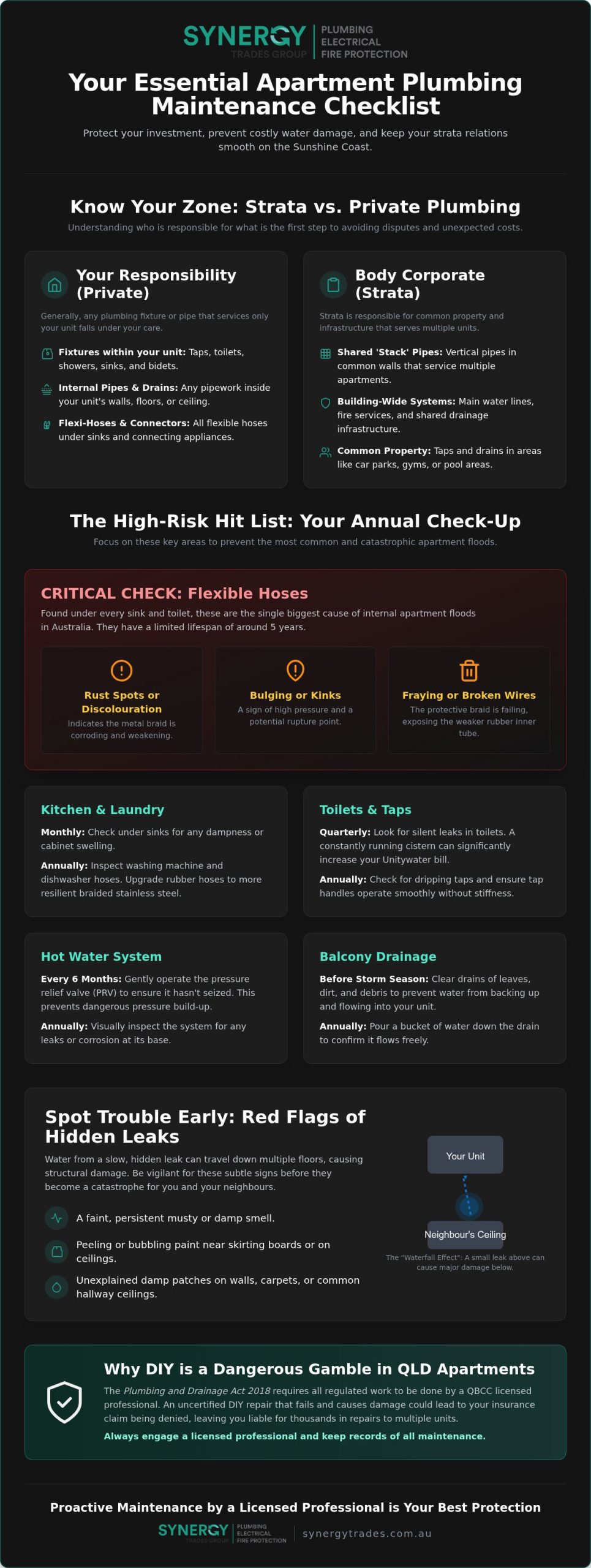
Living in a Sunshine Coast unit means your home is part of a complex, interconnected network. Understanding where your responsibility ends and the body corporate’s begins is the first step in any apartment plumbing maintenance checklist. Generally, the “boundary” is defined by the walls of your unit. If a pipe serves only your lot, such as the branch line under your kitchen sink, it’s usually your responsibility. If it services multiple units or sits within common property, it falls under the body corporate’s remit. Plumbing systems in high-rise buildings rely on shared vertical stacks, so a problem in your bathroom can quickly become a building-wide headache.
The “Unit Wall” rule is a helpful guide for most owners. If a leak occurs in a fixture or a pipe located inside your floor or internal walls, the repair costs almost always land on you. This includes everything from a dripping tap to a burst flexi-hose under the vanity. Shared stacks are the exception, but even then, a blockage caused by your unit’s waste can lead to complex disputes. Preventative maintenance is consistently cheaper than paying a hefty strata insurance excess or funding emergency repairs for your downstairs neighbour. Taking a proactive approach keeps the peace and protects your bank balance.
The Legal Side of Apartment Plumbing
Queensland legislation is quite specific regarding who can touch your pipes. The Plumbing and Drainage Act 2018 requires all regulated work to be performed by a professional holding a QBCC licence. Attempting a DIY fix in an apartment is a massive risk. If a home-made repair fails and causes water damage to other lots, your insurance provider might refuse the claim because the work wasn’t certified. We recommend documenting every service visit. Keeping a clear record of professional maintenance provides vital evidence for insurance and strata audits, proving you’ve fulfilled your duty of care as an owner.
Common Vertical Plumbing Risks
We often see the “waterfall effect” in local coastal apartments. Because units are stacked, gravity ensures that a slow drip behind your shower wall eventually travels down to the ceiling below. You might notice subtle signs like damp patches in the common hallway, peeling paint near your skirting boards, or a faint musty smell. If you spot these, don’t wait. While the strata manager handles the building’s main infrastructure, Synergy Trades Group focuses on the internal health of your unit. Identifying a minor leak today prevents the structural rot that often leads to expensive, multi-unit remediation projects later.
Kitchen and Laundry: Preventing High-Rise Floods
Kitchens and laundries are the primary wet areas where most internal apartment floods originate. While a leak in a standalone house might just ruin a bit of carpet, a burst pipe on the tenth floor of a Sunshine Coast complex can damage every unit directly beneath it. This makes your apartment plumbing maintenance checklist a vital tool for both your peace of mind and your neighbours’ safety. Regular inspections of under-sink cabinets are essential to catch moisture before it causes permanent cabinet rot or mould growth. We suggest removing everything from under the sink once a month to check the back corners for dampness and signs of cabinet swelling.
One of the most effective ways to maintain your property and avoid disaster is to upgrade your appliance connections. Standard rubber washing machine hoses are prone to perishing over time, especially in our humid coastal climate. We always recommend switching to braided stainless steel hoses for both your washing machine and dishwasher. These are far more resilient to the high water pressure often found in multi-storey buildings and provide an extra layer of security against sudden bursts that can happen when you’re not home.
The Flexi-Hose Warning
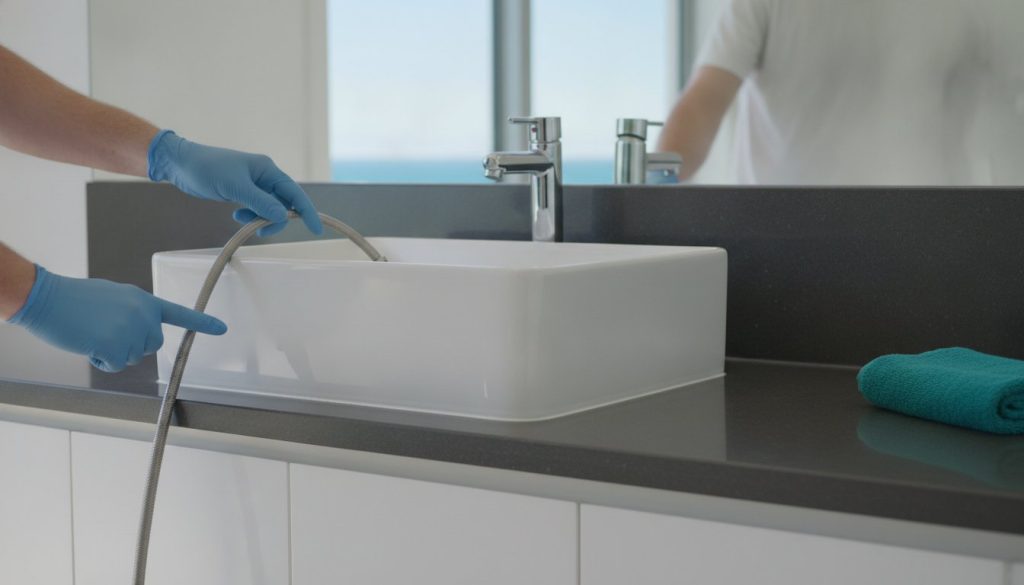
Flexible silver hoses, or flexi-hoses, are the single most common cause of household flooding in Australia. You’ll find them connecting your kitchen taps and laundry tubs to the main water supply. They are essentially a rubber pipe encased in a metal braid. These hoses have a lifespan of about five years, but coastal corrosion can shorten that. When performing your apartment plumbing maintenance checklist, look for these warning signs:
- Check for rust spots or discolouration on the metal braiding.
- Look for “hairy” or frayed wires sticking out from the braid.
- Feel for any kinks, bulges, or sharp bends in the hose.
Drainage and Waste Maintenance
Apartment stacks are sensitive to what goes down the drain. Unlike a house with a direct line to the street, your kitchen waste joins a shared vertical pipe that services multiple units. Pouring fat, oil, or grease down the sink is a recipe for a building-wide blockage. These substances solidify as they cool, catching other debris and narrowing the pipe. To keep things flowing, regularly clear your P-trap (the U-shaped pipe under the sink) to remove hair or food scraps that cause odours. If you notice water draining slowly, try using a mixture of baking soda and vinegar rather than harsh caustic cleaners that can damage older pipes. For more persistent issues, our team can provide professional blocked drain clearing to ensure your unit’s waste system remains in top condition and doesn’t affect the rest of the building line.
Bathroom Health: Taps, Toilets, and Bidet Maintenance
The bathroom is the most complex plumbing hub in your unit. While previous sections focused on the kitchen and laundry, the bathroom requires a different set of eyes to maintain building integrity. A “silent” leak in your toilet cistern can waste hundreds of litres of water a day, often without making a sound. This is a critical item on your apartment plumbing maintenance checklist because it directly impacts your Unitywater bill and can lead to moisture issues in the floor slab. Similarly, Sunshine Coast water can sometimes lead to mineral buildup in tapware and showerheads. Regularly unscrewing and cleaning the aerators, which are the small mesh screens at the end of taps, ensures consistent water pressure and prevents splashing.
Don’t forget the floor waste drain, usually located in the middle of your bathroom tiles. These drains have a water seal designed to prevent sewer gases from entering your home. In guest bathrooms or during dry spells, this water can evaporate. If you notice a faint sewer smell, simply pour a litre of water down the drain to reset the seal. It’s a simple fix that saves a lot of worry and keeps your bathroom smelling fresh. Checking these small details annually ensures your bathroom remains a functional sanctuary rather than a source of strata stress.
Toilet and Cistern Efficiency
Identifying a leak is easier than you think. Try the “Food Colouring Test” by placing a few drops of dye into the cistern and waiting 15 minutes without flushing. If colour appears in the bowl, you have an internal leak that needs a new washer or valve. Addressing this early prevents the constant hissing sound of a refilling tank and protects your budget. It’s also important to know the difference between a local clog and a shared stack issue. If multiple fixtures like your shower and toilet are backing up simultaneously, the problem might be in the building’s main line rather than your unit, which is a matter for the body corporate.
Bidet Supply and Installation Maintenance
Modern Sunshine Coast bathrooms are increasingly featuring smart toilets and bidets. These fixtures add luxury but require specific upkeep to stay compliant. In Australia, professional bidet supply and installation is a legal requirement because these devices must have high-hazard backflow prevention. This protects the building’s drinking water from contamination. If you have a smart bidet, check the filters every six months and ensure the electrical safety switch is functioning correctly. At Synergy Trades Group, we specialise in these modern upgrades, ensuring they meet strict Australian Standards while providing the hygiene benefits you expect.
Beyond the Taps: Hot Water and Balcony Drainage
While internal fixtures get most of the attention, the infrastructure supporting your unit is equally important. Your apartment plumbing maintenance checklist should extend to the utility cupboard and the balcony to ensure your home remains dry and efficient. Living on the Sunshine Coast means dealing with high humidity and salt-laden air, both of which accelerate the wear and tear on metal components. By looking beyond the kitchen and bathroom, you can catch “invisible” issues before they escalate into building-wide problems or result in a shock from Unitywater.
Monitoring your water meter is a simple way to verify the health of your entire system. As of July 2026, the average daily water usage for the Unitywater region is 167 litres per person. If your meter readings are consistently higher than this benchmark without a clear reason, you might have a hidden leak. Data from the Sunshine Coast shows that a small percentage of properties often account for a massive portion of water usage, frequently due to undetected leaks. Regularly checking your meter when no water is running is a proactive step that provides genuine peace of mind.
Hot Water System Maintenance
Apartment hot water units are often tucked away in cramped laundry cupboards or exposed to the elements on small balconies. Check the base of the tank for signs of rust or pooling water, which are clear indicators of a failing cylinder. You should also check the pressure relief valve; a small amount of discharge is normal, but a constant stream suggests the valve needs replacing. To extend the life of your tank, consider having the sacrificial anode checked every few years. If you notice discoloured water or a drop in temperature, it is best to book Hot Water System Repairs Sunshine Coast to avoid a total system failure and potential water damage to your flooring.
Balcony and External Plumbing
Balcony floor wastes are your unit’s first line of defence during an intense Sunshine Coast storm. A single handful of wind-blown leaves or debris can block these drains, causing water to pool and eventually seep under your sliding door tracks into your living room. During your annual apartment plumbing maintenance checklist, ensure these grates are clear and pour a bucket of water down to confirm the line is flowing freely. Coastal corrosion is another significant factor for external plumbing. Salt air quickly degrades metal taps and fittings, so check for any signs of seizing or pitting. If you have external taps, ensure they aren’t dripping, as even a small leak can cause salt crystals to build up and ruin the valve seat permanently.
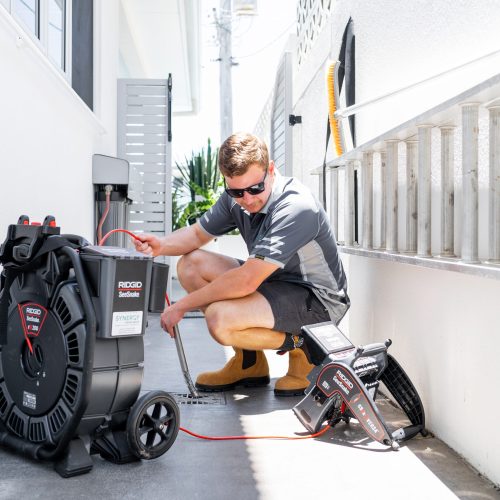
If you suspect a hidden leak is driving up your bills or causing dampness on your balcony walls, our team provides specialised water leak detection to locate the problem without unnecessary digging or damage to your tiles.
Professional Maintenance: Protecting Your Investment
While the DIY tasks in your apartment plumbing maintenance checklist provide great day-to-day security, an annual professional audit is the ultimate safeguard for your investment. Our team at Synergy Trades Group doesn’t just look for obvious drips; we perform a methodical review of your unit’s entire system. This includes testing water pressure to prevent “water hammer” and checking the integrity of isolation valves that might have seized due to coastal salt air. We also use advanced leak detection techniques to find moisture hidden behind walls before it has the chance to reach your downstairs neighbour.
Consistency is the secret to lower long-term costs. By building a predictable maintenance schedule, you shift from a reactive mindset to a proactive one. This approach avoids the high fees often associated with emergency call-outs and ensures you have a documented history of care. If you ever decide to sell your unit, a clean bill of health from a licensed plumber is a significant selling point that gives potential buyers confidence in the property’s condition. It also ensures you stay compliant with QLD regulations, particularly regarding annual RPZ backflow testing for units with specialised water connections.
When to Call a Professional
Sometimes, the signs of trouble are subtle but urgent. A sudden drop in water pressure or strange “banging” noises in the walls when you turn off a tap are red flags. These aren’t just annoying sounds; they indicate pressure surges that can eventually cause a pipe to fail. Similarly, persistent damp spots or peeling paint on your ceilings or walls are urgent calls for help. In an apartment environment, “waiting and seeing” is the most expensive strategy you can adopt. Delaying a repair by even a few days can allow water to travel through the floor slab, impacting several units below and resulting in a complex strata insurance claim.
The Synergy Trades Advantage
Choosing a local expert makes all the difference when navigating Sunshine Coast strata regulations. With over 70 years of combined industry experience, our team understands the specific plumbing and electrical challenges of coastal high-rises. We provide a “one-stop” maintenance service, meaning we can handle your plumbing audit, safety switch installation, and smoke alarm testing in a single, efficient visit. This reduces the hassle of coordinating multiple trades and ensures your unit meets all current safety standards. Don’t leave your property’s safety to chance; book your apartment plumbing inspection today to secure your peace of mind.
Securing Your Sunshine Coast Sanctuary
Proactive care is the difference between a relaxing coastal lifestyle and the stress of a sudden strata dispute. By following a consistent apartment plumbing maintenance checklist, you protect your unit from high-rise risks like burst flexi-hoses and blocked balcony drains. This simple routine helps you identify silent leaks in your toilet and monitor your water meter to keep your Unitywater bills under control. You also ensure your home remains compliant with QLD legislation, particularly regarding modern additions like bidets and hot water systems.
As Sunshine Coast locals with over 70 years of combined industry experience, our team is here to help you maintain a safe and efficient home. We are fully licensed and insured, providing the technical expertise you need to catch invisible problems before they reach your downstairs neighbour. Book Your Professional Apartment Maintenance Audit with Synergy Trades today to ensure your unit is in peak condition. Taking these small steps now provides lasting peace of mind and keeps your property investment secure for years to come.
Frequently Asked Questions
Who is responsible for plumbing leaks in an apartment block?
Responsibility is determined by the location and function of the pipe. In Queensland, you are generally responsible for any plumbing that exclusively services your unit, such as internal taps, toilets, and the branch lines within your walls. The body corporate typically manages shared infrastructure and pipes in common areas. It’s always best to check your specific scheme’s bylaws to confirm the exact boundaries for your building.
How often should I have my apartment plumbing inspected?
We recommend a professional inspection once every twelve months to keep your property in top condition. This annual check allows an expert to run through a comprehensive apartment plumbing maintenance checklist, catching minor issues before they turn into building-wide disasters. Regular audits are particularly important on the Sunshine Coast, where salt air can corrode fixtures faster than in inland areas, potentially leading to sudden failures if left unmonitored.
Why is my water bill so high even though I have no visible leaks?
High bills without visible puddles often point to a silent leak in your toilet cistern or an issue with your hot water pressure relief valve. As of July 2026, the average usage in our region is 167 litres per person daily. If you are far above this, perform the food colouring test in your toilet tank. Even a small, invisible trickle can waste thousands of litres over a billing cycle.
Do I need strata approval to install a bidet in my apartment?
You generally need to notify your body corporate and ensure the work is done by a licensed professional. Installing a bidet involves high-hazard backflow prevention to protect the building’s potable water supply. Because this is a regulated modification under QLD law, having a licensed plumber handle the bidet supply and installation is non-negotiable for strata compliance and insurance purposes. It ensures your modern upgrade doesn’t compromise the building’s plumbing integrity.
What should I do if I notice a leak coming from the unit above mine?
Notify the resident above and your strata manager as soon as you spot a damp patch or drip. Because water travels through the floor slab, the source is almost always directly above the visible damage. Quick communication is vital to prevent structural rot or electrical hazards. While you wait for a resolution, document the damage with photos for insurance purposes and to assist the strata manager in determining responsibility.
Is a “water hammer” noise something I should be worried about?
Yes, water hammer is a sign of high-pressure surges that can cause pipes to fatigue and eventually burst. Including a pressure check in your apartment plumbing maintenance checklist helps identify this issue early. That banging sound occurs when water flow is suddenly stopped, sending a shockwave through your unit’s plumbing. A professional can install pressure-limiting valves or arrestors to quiet the noise and protect your pipes from a catastrophic failure.
Can I change my own kitchen mixer tap in a QLD apartment?
No, it is illegal for an unlicensed person to perform regulated plumbing work in Queensland, including changing a mixer tap. The Plumbing and Drainage Act 2018 is very clear that only licensed plumbers can install or replace fixtures. Doing it yourself can void your home insurance and lead to significant fines. It’s much safer to have a professional handle it to ensure a watertight finish and proper warranty coverage.
How do I know if my hot water system is about to fail?
Look for rust around the base of the tank, discoloured water, or a noticeable drop in hot water duration. If your pressure relief valve is constantly leaking rather than just dripping occasionally, the system is likely struggling. Most apartment-sized units have a lifespan of about 8 to 12 years. If yours is approaching this age, an inspection can determine if a simple repair or a full replacement is necessary.